

Package summary

Register now to book

Booking closes

Middletown Centre for Autism
5 Week Parent and Professional Joint Training Programme
Autism and the Post Primary School

Programme Content:

  1. Supporting Autistic Learners
  2. Autism and Communication
  3. Autism and Sensory Processing
  4. Autism and Understanding Anxiety 
  5. Autism and Reframing Behaviour

This five-week programme has been designed for education professionals, parents and family members who are living with young people, 12-18 years, with autism.

Please check the Centre’s website for details. www.middletownautism.com 

Notes

Courses in package

Supporting Autistic Learners

Event summary

Date

Start Time

End Time

Scoil Chuimsitheach Chiaráin, An Cheathrú Rua (Carraroe), Galway

Booking closes

Supporting Autistic Learners The session offers a sophisticated exploration of how autistic young people perceive, process, and engage with learning environments that are often fast paced, language heavy, socially complex, and sensory intense. Autistic cognition is positioned not as a barrier to learning, but as a valid and valuable form of human diversity that requires environments to be intentionally designed for access. Attention is given to the the visual approaches that align well with the learning preferences of many autistic young people, and to how visual approaches can function as access tools, supporting comprehension, predictability, emotional regulation, and independence across subject areas. Participants will gain insight into: How visual approaches support executive functioning, comprehension, and self-regulation in post primary classrooms. Why visual supports should be understood as structural access supports, not individual accommodations. How visual tools can support autonomy and reduce reliance on repeated verbal instruction. Ways to embed visual supports across timetables, classrooms, assessment formats, and transitions. A range of adaptable visual approaches that respect the young person's identity, interests, sensory experiences and access needs, and each young person's rightful place within the learning community.

Notes

Location

Scoil Chuimsitheach Chiaráin

Get Directions
Joan McDonald

Joan McDonald

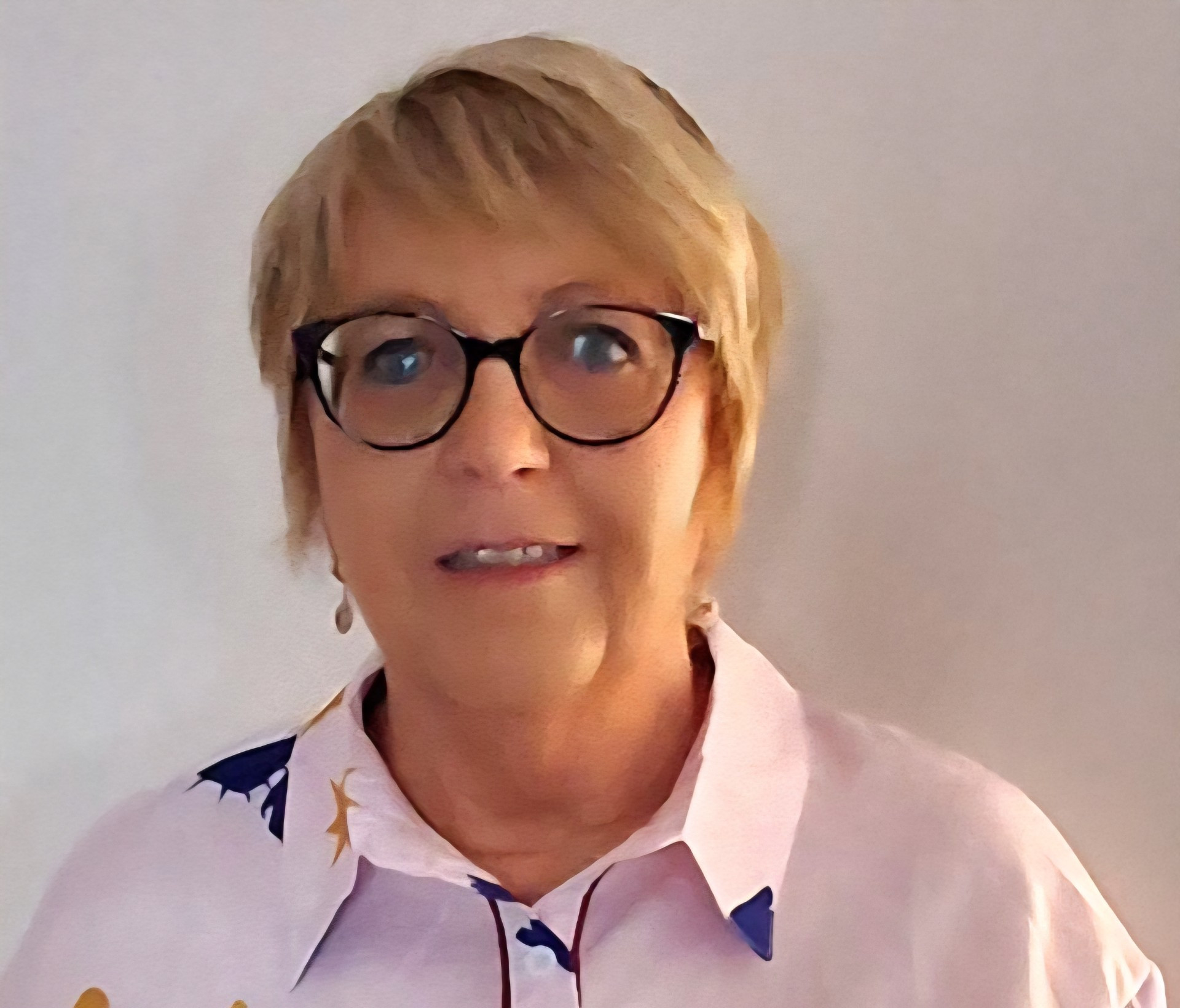
Joan is a second level science teacher working independently as Posautive.
Following many years teaching in mainstream classrooms, Joan worked on individual planning in centres for adults with learning disabilities and those with mental health struggles.
She, then, became one of the first SENOs in Ireland, observing and providing school supports for students with atypical needs across eighty rural schools.
While studying for an M.Ed. in Autism, Joan was taught by and met a variety of autistic adults, which ultimately led to her own autism assessment. Prior to meeting such a diverse range of autistic people, Joan would only have recognised autism in people with profound and complex support needs.
Joan is passionate about using students’ interests to support autistic learners of all levels of cognitive ability to access education and contented lives.
She currently works on a variety of projects with agencies such as Middletown Centre for Autism, Dublin City University, Nua Healthcare, Fingal Libraries. In recent years, creating and delivering the Posauteen and Posaudult courses to help autistic people understand and advocate for themselves has been a major focus of Joan’s time.
Autism and Communication

Event summary

Date

Start Time

End Time

Scoil Chuimsitheach Chiaráin, An Cheathrú Rua (Carraroe), Galway

Booking closes

Autism and Communication Autistic communication is presented as coherent, intentional, and meaningful, rather than as a failure to meet neurotypical norms. The session emphasises that communication is a shared responsibility, shaped by classroom culture, power structures, language demands, and access. Participants will: Explore contemporary theories that explain differences between autistic and non-autistic communication styles without pathologising autistic expression. Reflect on how Post Primary School expectations, rapid turn taking, abstract language, inference based questioning, can unintentionally exclude autistic students. Examine personal communication styles and how these may support or constrain participation and relational safety. Learn neuroaffirming approaches that value all forms of communication, including minimal speech, indirect communication, echolalia, written responses, and AAC. Develop practical strategies for making classroom communication clearer, slower, more predictable, and more accessible while respecting communication autonomy

Notes

Location

Scoil Chuimsitheach Chiaráin

Get Directions
Dee Hogan

Dee Hogan

Dee Hogan is an Autism Trainer/Advisor in Middletown Centre for Autism.

Dee has extensive experience teaching and supporting autistic children and young people. Her experiences include Pre-school, Early Intervention Autism Classes, Primary Autism Classes, Mainstream Primary and Special Schools.

She has written, lectured and assessed modules on the Special Needs Assistant and Level Four Autism qualifications, as professional development for parents and professionals. Dee has also worked as a part time Lecturer with University College Cork designing and delivering the Diploma in Autism Studies as well as providing training for teachers, third level students, parents and professionals.

Dee’s training specialisms are Reframing Behaviour, Early Intervention, Classroom Strategies, and Transitions. Dee holds a MEd in Special Education Autism from the University of Birmingham.

Autism and Sensory Processing

Event summary

Date

Start Time

End Time

Scoil Chuimsitheach Chiaráin, An Cheathrú Rua (Carraroe), Galway

Booking closes

Autism and Sensory Processing This session situates sensory processing as a central aspect of autistic experience, identity, and participation, particularly within Post Primary schools that are often noisy, crowded, visually complex, and movement intensive. Using a Rightful Presence framework, sensory differences are-examined as access needs, not behavioural problems. The session invites educators to consider how Post Primary schools frequently privilege certain nervous systems while marginalising others. Participants will be supported to: Understand sensory processing differences across all sensory systems, including interoception. Recognise how sensory overload can affect concentration, emotional regulation, attendance, and engagement. Understand that withdrawal, shutdown, reduced participation, or apparent avoidance may represent adaptive responses to sensory overwhelm. Identify subject specific sensory demands and pressure points across the school day. Implement practical, low cost environmental adaptations that enhance regulation, dignity, and sustained participation without singling out students.

Notes

Location

Scoil Chuimsitheach Chiaráin

Get Directions
Joan McDonald

Joan McDonald

Joan is a second level science teacher working independently as Posautive.
Following many years teaching in mainstream classrooms, Joan worked on individual planning in centres for adults with learning disabilities and those with mental health struggles.
She, then, became one of the first SENOs in Ireland, observing and providing school supports for students with atypical needs across eighty rural schools.
While studying for an M.Ed. in Autism, Joan was taught by and met a variety of autistic adults, which ultimately led to her own autism assessment. Prior to meeting such a diverse range of autistic people, Joan would only have recognised autism in people with profound and complex support needs.
Joan is passionate about using students’ interests to support autistic learners of all levels of cognitive ability to access education and contented lives.
She currently works on a variety of projects with agencies such as Middletown Centre for Autism, Dublin City University, Nua Healthcare, Fingal Libraries. In recent years, creating and delivering the Posauteen and Posaudult courses to help autistic people understand and advocate for themselves has been a major focus of Joan’s time.

Autism and Understanding Anxiety

Event summary

Date

Start Time

End Time

Scoil Chuimsitheach Chiaráin, An Cheathrú Rua (Carraroe), Galway

Booking closes

Autism and Understanding Anxiety This training approaches anxiety as a contextual and relational response, particularly relevant during adolescence when academic pressure, social complexity, transitions, and expectations around independence intensify. Rather than locating anxiety within the young person, the session highlights how anxiety often arises from cumulative stress, chronic masking, sensory overload, rigid systems, and threats to belonging within Post Primary schools. Participants will explore: How anxiety is experienced physiologically and cognitively by autistic young people The impact of sustained effort, masking, and unmet needs over the school day. How anxiety frequently functions as a signal of reduced safety, predictability, belonging or agency. How fixed systems, assessment practices, homework demands, transitions, substitute teaching, can exacerbate anxiety. Environmental, relational, and communicative supports that reduce anxiety by changing expectations and structures, rather than expecting the young person to cope alone.

Notes

Location

Scoil Chuimsitheach Chiaráin

Get Directions
Dee Hogan

Dee Hogan

Dee Hogan is an Autism Trainer/Advisor in Middletown Centre for Autism.

Dee has extensive experience teaching and supporting autistic children and young people. Her experiences include Pre-school, Early Intervention Autism Classes, Primary Autism Classes, Mainstream Primary and Special Schools.

She has written, lectured and assessed modules on the Special Needs Assistant and Level Four Autism qualifications, as professional development for parents and professionals. Dee has also worked as a part time Lecturer with University College Cork designing and delivering the Diploma in Autism Studies as well as providing training for teachers, third level students, parents and professionals.

Dee’s training specialisms are Reframing Behaviour, Early Intervention, Classroom Strategies, and Transitions. Dee holds a MEd in Special Education Autism from the University of Birmingham.

Autism and Reframing Behaviour

Event summary

Date

Start Time

End Time

Scoil Chuimsitheach Chiaráin, An Cheathrú Rua (Carraroe), Galway

Booking closes

Autism and Reframing Behaviour This session introduces educators to the ongoing paradigm shift in understanding behaviour through a neurobiological, relational, and rights based lens, replacing compliance driven responses with curiosity, compassion, and accountability at a systems level. Behaviour in adolescence is reframed as meaningful communication shaped by nervous system state, identity development, environmental demands, and relational safety, rather than as defiance or disengagement. Grounded in neuroscience and interpersonal neurobiology, participants will: Examine why traditional behaviour management approaches often escalate distress for autistic young people Explore how power dynamics, loss of autonomy, and lack of access contribute to distressed behaviour. Understand the role of neuroception and felt safety in regulation, learning, and participation. Reflect on how adult responses, assumptions, and emotional regulation directly influence outcomes. Develop proactive and responsive strategies that prioritise co-regulation, environmental adjustment, and dignity. Consider how interpreting many autistic behaviours as adaptive responses to lived experience shifts the focus from correction to understanding, preserving identity, reducing harm, and supporting long-term wellbeing.

Notes

Location

Scoil Chuimsitheach Chiaráin

Get Directions
Joan McDonald

Joan McDonald

Joan is a second level science teacher working independently as Posautive.
Following many years teaching in mainstream classrooms, Joan worked on individual planning in centres for adults with learning disabilities and those with mental health struggles.
She, then, became one of the first SENOs in Ireland, observing and providing school supports for students with atypical needs across eighty rural schools.
While studying for an M.Ed. in Autism, Joan was taught by and met a variety of autistic adults, which ultimately led to her own autism assessment. Prior to meeting such a diverse range of autistic people, Joan would only have recognised autism in people with profound and complex support needs.
Joan is passionate about using students’ interests to support autistic learners of all levels of cognitive ability to access education and contented lives.
She currently works on a variety of projects with agencies such as Middletown Centre for Autism, Dublin City University, Nua Healthcare, Fingal Libraries. In recent years, creating and delivering the Posauteen and Posaudult courses to help autistic people understand and advocate for themselves has been a major focus of Joan’s time.