
Package summary

Middletown Centre for Autism
5 Week Joint Event Training Programme
Autism and the Primary School

Programme Content:

  1. Supporting Autistic Learners
  2. Autism and Communication
  3. Autism and Sensory Processing 
  4. Autism and Understanding Anxiety 
  5. Autism and Reframing Behaviour

This five-week programme has been designed for parents, family members and education professionals living and working with Primary aged children with autism 
Please check the Centre’s website for details. www.middletownautism.com 

Notes

Courses in package

Supporting Autistic Learners

Event summary

Date

Start Time

End Time

Webinar Online,

Booking closes

Supporting Autistic Learners Primary school is a formative environment for all children, not only for learning, but for developing a sense of identity, belonging, and safety. For autistic children, these years are especially significant. How adults understand autism, respond to difference, and structure school environments can profoundly shape a child's emotional wellbeing and long term relationship with learning. Autism is a naturally occurring form of human neurodiversity. Autistic ways of sensing, communicating, moving, thinking, and regulating are not deficits or delays to be remediated. They are meaningful expressions of neurological difference. A neuroaffirming approach asks us not how to make autistic children fit school, but how schools can honour autistic children as full members of the community. Many autistic children demonstrate strong visual and contextual processing skills. When learning environments are thoughtfully designed, visual and environmental supports can reduce uncertainty, support understanding, and enhance a child's sense of agency. Used respectfully, these supports do not control behaviour; they increase access. Parents and educators will explore: Why visual supports often align naturally with autistic processing styles. How visuals can support learning, communication, and regulation while respecting autonomy. How consistency across home and school promotes emotional safety. Flexible visual strategies that reflect each child's unique strengths, interests, culture, and identity.

Notes

Location

Webinar Online

Get Directions
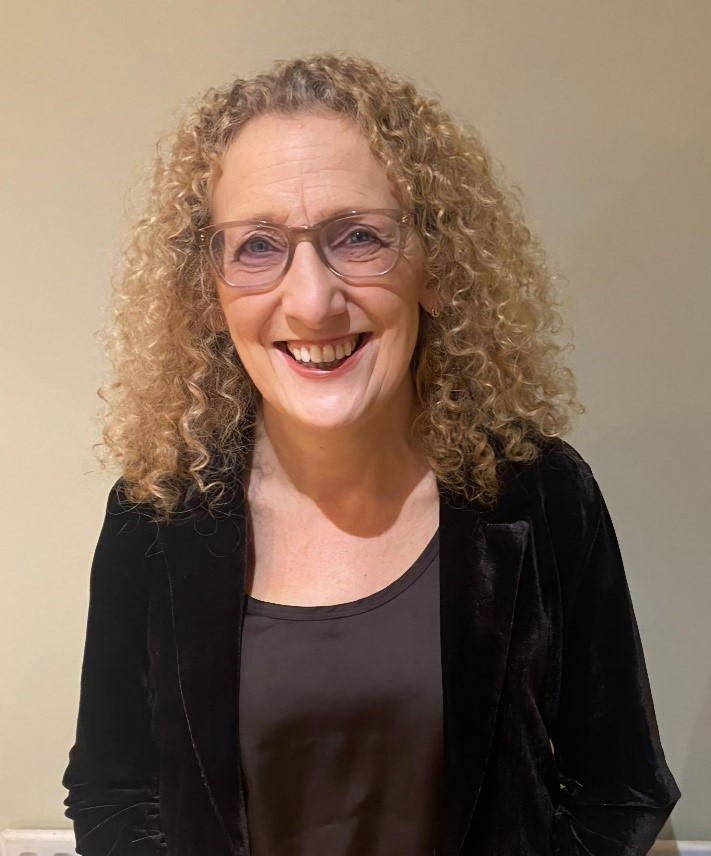
Carmel Rainsford

Carmel Rainsford

Carmel is an Autism Trainer/Advisor in Middletown Centre for Autism. She has extensive teaching experience in mainstream and special education settings and has been teaching pupils in a special autism class for the past number of years.
Carmel has previously held the roles of: School Principal, Special Education Needs Co-ordinator, Youth Service Director and School Placement Tutor for student teachers.
Carmel holds an MA in Autism Studies from Mary Immaculate College Limerick.
She is the first person to complete all three postgraduate qualifications in Autism from Mary Immaculate College delivered in conjunction with Middletown Centre for Autism: GCAS, GDAS and MAAS.
She has represented the student voice on the Course Board of GCAS/GDAS.
Carmel has particular interests in mainstream inclusion of autistic students and also autism inclusion in the workplace.
Autism and Communication

Event summary

Date

Start Time

End Time

Webinar Online,

Booking closes

Autism and Communication Autistic communication is different, not disordered. Primary aged autistic children may communicate through speech, AAC, visuals, movement, echolalia, play, behaviour, regulation shifts, or silence. All of these are meaningful. A neuroaffirming school does not privilege one form of communication over another. It listens broadly and responds generously. Parents and professionals will: Explore contemporary neuroaffirming understandings of autistic communication. Reflect on how adult communication styles and expectations can unintentionally create barriers. Learn supportive practices that honour receptive, expressive, and relational communication across play, learning, and daily routines. The focus is on relationship, trust, and understanding, not normalising communication at the expense of authenticity.

Notes

Location

Webinar Online

Get Directions
Carmel Rainsford

Carmel Rainsford

Carmel is an Autism Trainer/Advisor in Middletown Centre for Autism. She has extensive teaching experience in mainstream and special education settings and has been teaching pupils in a special autism class for the past number of years.
Carmel has previously held the roles of: School Principal, Special Education Needs Co-ordinator, Youth Service Director and School Placement Tutor for student teachers.
Carmel holds an MA in Autism Studies from Mary Immaculate College Limerick.
She is the first person to complete all three postgraduate qualifications in Autism from Mary Immaculate College delivered in conjunction with Middletown Centre for Autism: GCAS, GDAS and MAAS.
She has represented the student voice on the Course Board of GCAS/GDAS.
Carmel has particular interests in mainstream inclusion of autistic students and also autism inclusion in the workplace.

Autism and Sensory Processing

Event summary

Date

Start Time

End Time

Webinar Online,

Booking closes

Autism and Sensory Processing Sensory processing differences are a core part of autistic neurology. In primary school classrooms, often busy, noisy, and unpredictable, sensory experiences can strongly shape a child's regulation and ability to engage. Sensory distress is not misbehaviour. It is the nervous system communicating. Participants will develop a shared understanding of: How sensory processing affects regulation, learning, and participation. Why children respond differently to the same environment. The importance of identifying each child's individual sensory profile. How to adapt classrooms, routines, and expectations to support comfort and agency. The emphasis is on changing environments, not children.

Notes

Location

Webinar Online

Get Directions
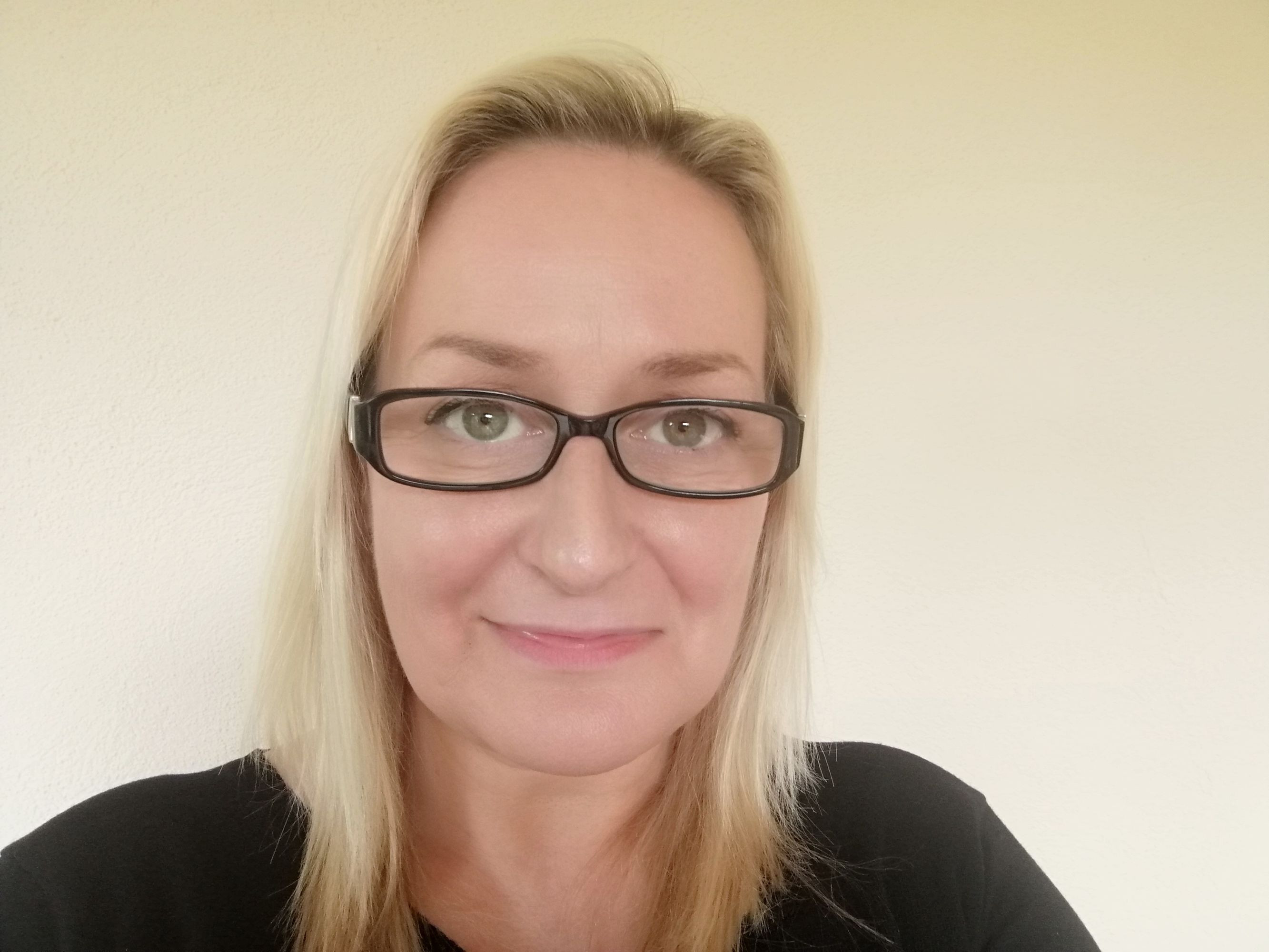
Dr Jo Fitzsimons

Dr Jo Fitzsimons

Dr Jo Fitzsimons is the Head of Specialist Education Services at Learning in Harmony in North-East London. She has a Doctorate in Special Education from University College London (UCL), a MA in Education and postgraduate diplomas in Speech and Language Impairment and Multi-Sensory Impairment (with a specialist MSI teaching qualification).
Her previous appointments have included Deputy Head of School and curriculum management roles.
Jo has also been involved in a wide range of International and European research projects and conferences over the past 17 years offering training, support and advice on various aspects of SEND practice.
Her specialist interests include sensory learning, autism and supporting children and young people with profound and multiple learning disabilities (PMLD).

Autism and Understanding Anxiety

Event summary

Date

Start Time

End Time

Webinar Online,

Booking closes

Autism and Understanding Anxiety Anxiety in autistic children is common, understandable, and often misinterpreted. It frequently arises when environments are unpredictable, demands outpace regulation, or a child feels misunderstood or unsafe. Anxiety is not a behavioural problem, it is information. Parents and educators will: Learn to recognise early, individual signs of stress and anxiety. Develop proactive, compassionate strategies that reduce pressure and increase predictability. Explore cognitively based supports adapted for developmental stage and autistic processing styles. When adults respond early and collaboratively, children are less likely to experience escalating distress.

Notes

Location

Webinar Online

Get Directions
Carmel Rainsford

Carmel Rainsford

Carmel is an Autism Trainer/Advisor in Middletown Centre for Autism. She has extensive teaching experience in mainstream and special education settings and has been teaching pupils in a special autism class for the past number of years.
Carmel has previously held the roles of: School Principal, Special Education Needs Co-ordinator, Youth Service Director and School Placement Tutor for student teachers.
Carmel holds an MA in Autism Studies from Mary Immaculate College Limerick.
She is the first person to complete all three postgraduate qualifications in Autism from Mary Immaculate College delivered in conjunction with Middletown Centre for Autism: GCAS, GDAS and MAAS.
She has represented the student voice on the Course Board of GCAS/GDAS.
Carmel has particular interests in mainstream inclusion of autistic students and also autism inclusion in the workplace.

Autism and Reframing Behaviour

Event summary

Date

Start Time

End Time

Webinar Online,

Booking closes

Autism and Reframing Behaviour This session reflects a crucial shift in how behaviour is understood in primary education. Drawing on neuroscience, psychology, and interpersonal neurobiology, behaviour is approached as communication and regulation, not compliance or defiance. Many behaviours labelled "challenging" are adaptive responses to overwhelm, fear, or unmet needs. Other behaviours, such as stimming, movement, repetition, or withdrawal, are often essential for regulation, focus, and joy. Participants will explore: The neuroaffirming perspective on behaviour as communication. The role of felt safety and neuroception in children's behaviour. How adult regulation influences child regulation. Why protecting a child's dignity is central to learning and wellbeing. Adults will be supported to reflect on their own assumptions, responses, and emotional regulation as part of ethical care.

Notes

Location

Webinar Online

Get Directions
Carmel Rainsford

Carmel Rainsford

Carmel is an Autism Trainer/Advisor in Middletown Centre for Autism. She has extensive teaching experience in mainstream and special education settings and has been teaching pupils in a special autism class for the past number of years.
Carmel has previously held the roles of: School Principal, Special Education Needs Co-ordinator, Youth Service Director and School Placement Tutor for student teachers.
Carmel holds an MA in Autism Studies from Mary Immaculate College Limerick.
She is the first person to complete all three postgraduate qualifications in Autism from Mary Immaculate College delivered in conjunction with Middletown Centre for Autism: GCAS, GDAS and MAAS.
She has represented the student voice on the Course Board of GCAS/GDAS.
Carmel has particular interests in mainstream inclusion of autistic students and also autism inclusion in the workplace.