
Training Package

Autism and the Special Programme Joint (Online Webinar Feb-Mar)

Tuesday 20 Feb 2024 – Tuesday 19 Mar 2024

Programme sessions

–

Online

Autism, Learning Styles, and Visual Teaching Methods

Claire Smyton

Claire Smyton

Booking closes

View details Hide details

Autism, Learning Styles, and Visual Teaching Methods
This training session will provide information on supportive practices in the functional use of visual supports. 
The focus of this course is in understanding the learning style, strengths, interests and needs of the autistic student and how these can be facilitated using visuals. This will assist those who support the student in the teaching of life skills, emotional regulation, and daily planning, creating opportunities for communication and independence.
Expected Outcomes
Understand how the use of visuals can support the thinking and learning style of autistic student.
Understand how the use of visuals can be generalised across all environments and can build on the learning experience in school, home, and the wider community.
Learn how to develop visual supports in a practical manner to maximise the young person's strengths and provide support if necessary.
How to develop visuals and implement visual supportive approaches

Notes

View course notes (PDF) (opens in new window)

About the trainer

Claire Smyton

Claire Smyton

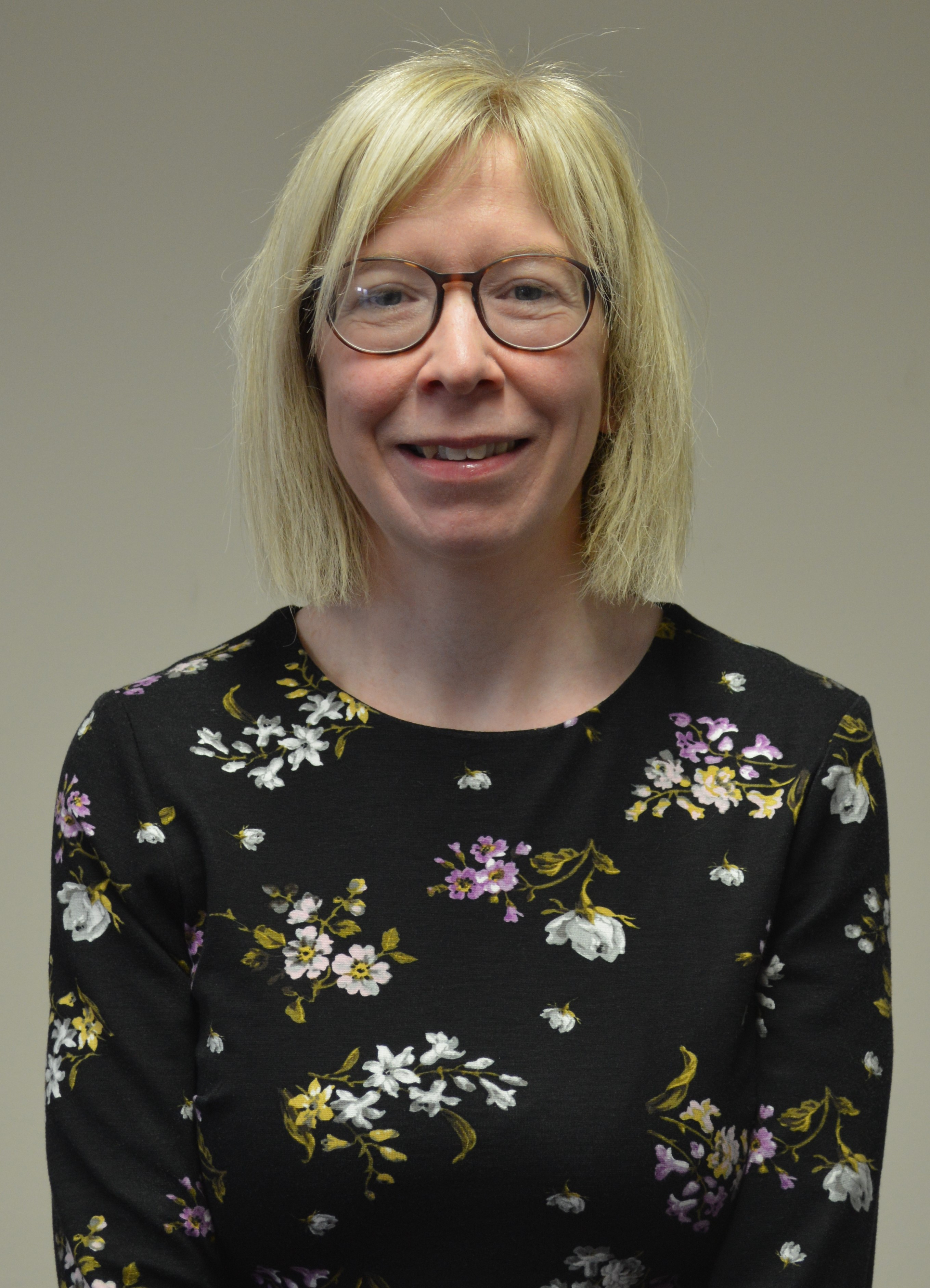
Claire Smyton is Specialist Teacher in Middletown Centre for Autism and has 20 years’ experience working with autistic children and young people. Prior to this, Claire worked as a Special Educational Needs Co-ordinator in a Post Primary School.  Claire has also taught in an Autism Learning Support Class, within a Mainstream Primary School and in the Autism Advisory and Intervention Service, as a Support Teacher.  Claire is also a parent of an autistic child.  Through Claire’s experiences as a parent and teacher, she has gained extensive experience in developing and using resources and varied teaching approaches with autistic children and young people. Claire also holds a Post Graduate Diploma in Autism and has a particular interest and experience in 'whole school' strategic planning in best autism practice across all settings.
–

Online

Autism and Communication

Majella Nugent

Majella Nugent

Booking closes

View details Hide details

Autism and Communication.
This session explores the differences in neurotypical vs autistic communication styles. It provides delegates with an understanding of how to appreciate communication differences and adapt their communication style to better support autistic children and young people at home and school.
Delegates will:
· Explore current relevant theories related to communication differences
· Develop an understanding of their own communication preferences and how these might hinder or support the autistic communicator
· Explore a range of supportive practices in receptive (understanding) and expressive communication

Notes

View course notes (PDF) (opens in new window)

About the trainer

Majella Nugent

Majella Nugent

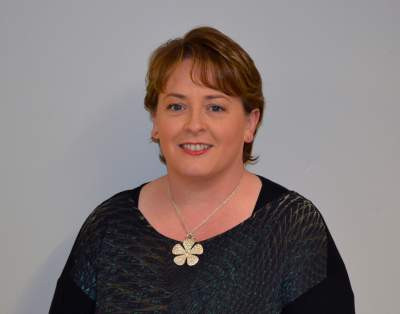
Majella Nugent is an Autism Trainer/Advisor in Middletown Centre for Autism. Majella has experience teaching and supporting autistic children and young people in schools. Majella’s experiences include Pre-school, Mainstream Primary and Post-Primary and Special Schools across Ireland. Majella also has experience teaching autistic students in Further Education. She has lectured and assessed modules on the Early Childhood Foundation Degree and the Level Three Autism qualification, as professional development for parents and professionals.

Majella’s training specialism is Relationship and Sexuality Education, Transitions and Special Education Needs. Majella has contributed to the development of the curriculum as a Professional Associate with CCEA for learners with MLD and co-ordinated specialist trainings including Transition to Higher Education (Ulster University and Trinity College Dublin), 16+ Education and Employment, and Sibling trainings. Majella is an Associate Lecturer on the Post Graduate Certificate with Mary Immaculate College Limerick.

–

Online

Autism and Understanding Anxiety for those with additional learning difficulties

Edel Quinn

Edel Quinn

Booking closes

View details Hide details

Autism and Understanding Anxiety for those with additional learning difficulties
For many autistic students, school can be a major source of stress. Everyone shows their anxiety in individual ways, so the most reliable observations that a student is anxious are going to be made by the people who know the student best. This shows the importance of working closely not only within the family structure, but also with the school staff.
This session is an introduction to strategies that can be used to alleviate the experience of anxiety in autistic students. This will include an introduction to cognitively based strategies and how to develop student centred strategies to deal with anxiety. 
Participants will:
•    Appreciate how anxiety can escalate and may result in an emotional response
•    Develop some simple supportive approaches to prevent the escalation of anxiety.
•    Understand the basics of cognitively based management approaches.

Notes

View course notes (PDF) (opens in new window)

About the trainer

Edel Quinn

Edel Quinn

Edel is a Trainer/Advisor and the MCA course coordinator for the Post Graduate Autism Studies programme in partnership with Mary Immaculate College, Limerick. She has supported the development of the post graduate programme since 2016. Edel previously worked in the National Health Service Northern Ireland (NHS), developing and delivering home programmes for autistic children and young people, and their families. Edel holds a Psychology degree, a MSc in Autism from Queen’s University, Belfast and a MSc in Mental Health for Children and Young People from University of Edinburgh. Edel has a Post Graduate Diploma in Cognitive Behaviour Therapy and registered with the British Association for Counselling and Psychotherapy. In her role with Middletown Centre for Autism Edel develops and delivers both parental and educational professional training programmes.

–

Online

Autism and Sensory Processing

Jill McCanney

Jill McCanney

Booking closes

View details Hide details

Autism, the Special School and Sensory Processing
Many autistic children and young people have differences in how they process the sensory stimuli in the world around them. Children and young people who presents with additional learning needs may experience more challenges with how they perceive and respond to sensory input. This course is designed to look specifically at the sensory processing needs of autistic children and young people with other complex learning needs, such as communication difficulties, physical or sensory difficulties, attention difficulties and medical needs.
Participants will: 
•    Understand  the concept of sensory processing and how this relates to participation in daily activities.
•    Appreciate how sensory processing differences can affect the child or young person at home, in school and in other settings.
•    Acknowledge the importance of identifying the potential sensory function of a behaviour.
•    Gain knowledge about supportive practice, which can address the sensory processing needs of the children and young people with additional and complex learning needs at home, in school and in other settings.

Notes

View course notes (PDF) (opens in new window)

About the trainer

Jill McCanney

Jill McCanney

Jill McCanney is an Autism Trainer/Advisor and Autism Specialist Occupational Therapist in Middletown Centre for Autism. She has Postgraduate qualifications in Sensory Integration, including SIPT registration, and has been a tutor on the Sensory Integration MSc course. She also holds a Master’s in Clinical Research. Jill worked in Special Schools for over seven years prior to commencement of her current post. She has extensive experience in the assessment of sensory motor difficulties and in the development and provision of intervention programmes for autistic students.

–

Online

Autism and Reframing Behaviour

Edel Quinn

Edel Quinn

Booking closes

View details Hide details

Autism and Reframing Behaviour 
This training will introduce participants to the ongoing paradigm shift in understanding behaviour from a physiological perspective, drawing on research from neuroscience, psychology, and interpersonal neurobiology. 
It will encourage participants to pause and reflect on their current beliefs and reactions to the behavioural differences presenting within their autistic students. Participants will be supported to consider behavioural differences that are authentic to the autistic child and their invaluable role in maintaining joy in their lives. Furthermore, participants will be supported to understand the underlying factors contributing to distressed behaviours, and how supporting professionals can help. 
Specific topics will include:
Understanding the ongoing paradigm shift in how we think about behaviour. 
Factors that contribute to distressed behaviour for an autistic child.
The important role of neuroception and sense of ‘felt safety’ in promoting a balanced regulatory state.
The importance of professional self-care in the context of supporting an autistic child in distress. 
Participants will: 
Gain an understanding of the ongoing paradigm shift in how we think about ‘behaviour’ presenting in our autistic children and young people. 
To support participants to recognise their inner biases, judgements and beliefs that may be impacting upon how they support an autistic child in distress. 
To understand the underlying and environmental factors contributing to distress and overwhelm within the autistic child.
Understand their role in managing their own regulation as an essential process to the co-regulatory support they provide their autistic students. 
Course Overview
Paradigm shift and reframing our perception of behaviour. 
Underlying and environmental factors contributing to distressed behaviour. 
Proactive and reactive supports when working with distressed behaviour. 

About the trainer

Edel Quinn

Edel Quinn

Edel is a Trainer/Advisor and the MCA course coordinator for the Post Graduate Autism Studies programme in partnership with Mary Immaculate College, Limerick. She has supported the development of the post graduate programme since 2016. Edel previously worked in the National Health Service Northern Ireland (NHS), developing and delivering home programmes for autistic children and young people, and their families. Edel holds a Psychology degree, a MSc in Autism from Queen’s University, Belfast and a MSc in Mental Health for Children and Young People from University of Edinburgh. Edel has a Post Graduate Diploma in Cognitive Behaviour Therapy and registered with the British Association for Counselling and Psychotherapy. In her role with Middletown Centre for Autism Edel develops and delivers both parental and educational professional training programmes.