

Package summary
Start Date
End Date
Courses
- Supporting Autistic Learners: Autistic Children and Young People with High Care and Education Needs
- Autism and Communication: Autistic Children and Young People with High Care and Education Needs
- Autism and Sensory Processing: Autistic Children and Young People with High Care and Education Needs
- Autism and Understanding Anxiety: Autistic Children and Young People with High Care and Education Needs
- Autism and Reframing Behaviour: Autistic Children and Young People with High Care and Education Needs
Booking closes
Middletown Centre for Autism
Five-Week Joint Parent and Professional Training Programme.
Programme Content:
- Supporting Autistic Learners: Autistic Children and Young People with High Care and Education Needs
- Autism and Communication: Autistic Children and Young People with High Care and Education Needs
- Autism and Sensory Processing: Autistic Children and Young People with High Care and Education Needs
- Autism and Understanding Anxiety: Autistic Children and Young People with High Care and Education Needs
- Autism and Reframing Behaviour: Autistic Children and Young People with High Care and Education Needs
Course Description:
This five-week programme has been designed for parents, family members, teachers and other education professionals who are living and working with autistic children and young people in a Special School.
Notes
Courses in package
Supporting Autistic Learners: Autistic Children and Young People with High Care and Education Needs
Event summary
Date
Start Time
End Time
Webinar Online,
Booking closes
Supporting Autistic Learners: Autistic Children and Young People with High Care and Education Needs This training brings together parents, family members, and education professionals to build a shared understanding of how autistic children and young people with high care and education needs experience the world. Autism is a naturally occurring form of neurodiversity. Differences in communication, sensory processing, movement, emotional regulation, and learning are integral aspects of autistic identity, not deficits to be corrected. When adults work together to adapt environments, expectations, and interactions to align with autistic neurology, children and young people are more likely to feel safe, understood, and able to engage meaningfully. This session emphasises the value of partnership. Families bring deep relational knowledge; professionals bring educational and clinical expertise. When these perspectives are combined, support becomes more consistent, respectful, and effective. A key focus of this session is the visual strengths many autistic learners demonstrate. Thoughtfully used visual approaches can reduce uncertainty, support understanding, and promote regulation across home, school, and community settings. Participants will explore: Why visual supports often align naturally with autistic processing styles. How visuals can support communication, learning, and emotional wellbeing rather than compliance alone. The importance of consistency across environments and adults in supporting felt safety. A range of flexible visual approaches that honour each child or young person's strengths, interests, access needs, and identity.
Notes
Location
Webinar Online
Get DirectionsGemma O'Neill
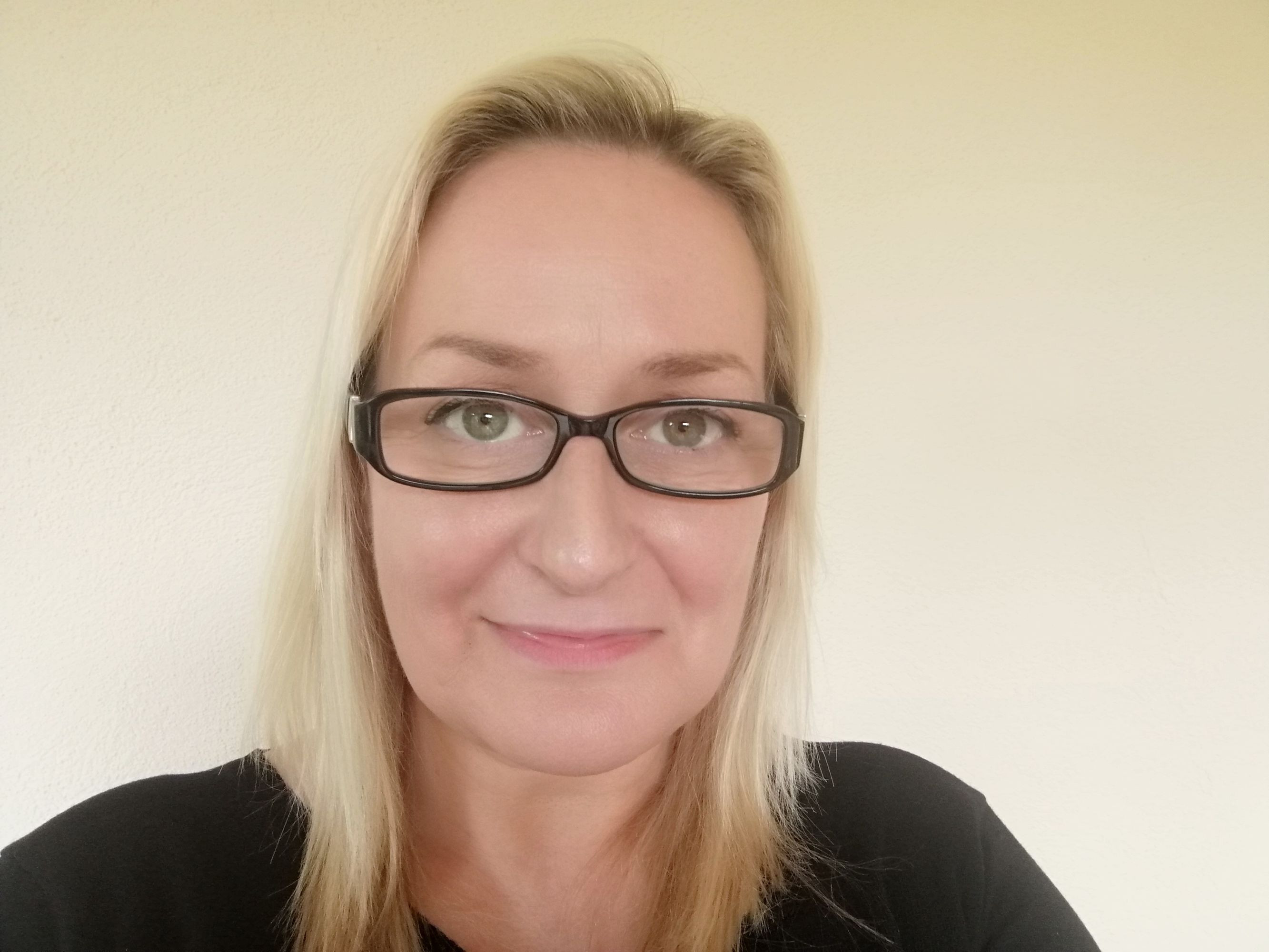
Gemma has extensive experience working collaboratively with educators, families and multidisciplinary professionals to develop individualised approaches that recognise autistic strengths, differences and support needs across school and home environments.
In her current role, Gemma is involved in the development and delivery of autism-specific professional learning and training across Ireland, working with educators and professionals, including within higher education. She also contributes to the development of training programmes and the coordination of large-scale professional learning events, bringing professionals together to share and showcase effective practice.
Gemma holds a Master’s Degree in Special Educational from Queen’s University Belfast. Her professional interests include neuroaffirming autism practice, inclusive education, professional learning, and supporting autistic learners to participate meaningfully in education.
Autism and Communication: Autistic Children and Young People with High Care and Education Needs
Event summary
Date
Start Time
End Time
Webinar Online,
Booking closes
Autism and Communication: Autistic Children and Young People with High Care and Education Needs Autistic communication is different, not disordered. This session supports families and professionals to move beyond neurotypical communication norms as the default and to recognise the many valid and meaningful ways autistic children and young people communicate. Communication may include speech, alternative and augmentative communication (AAC), visuals, movement, behaviour, vocalisations, echolalia, regulation based cues, or silence. All forms of communication are worthy of respect and response. Together, participants will: Explore contemporary, neuroaffirming ways of understanding communication differences between autistic and non-autistic people. Reflect on their own communication styles and expectations, and how these may either support or unintentionally limit autistic communicators. Learn practical, respectful strategies to support receptive, expressive, and shared communication across everyday interactions. The focus throughout is on communication as connection and understanding, not performance or normalisation.
Notes
Location
Webinar Online
Get Directions
Dr Jo Fitzsimons
Her previous appointments have included Deputy Head of School and curriculum management roles.
Jo has also been involved in a wide range of International and European research projects and conferences over the past 17 years offering training, support and advice on various aspects of SEND practice.
Her specialist interests include sensory learning, autism and supporting children and young people with profound and multiple learning disabilities (PMLD).
Autism and Sensory Processing: Autistic Children and Young People with High Care and Education Needs
Event summary
Date
Start Time
End Time
Webinar Online,
Booking closes
Autism and Sensory Processing: Autistic Children and Young People with High Care and Education Needs Sensory processing differences are a core and valid aspect of autistic neurology. Many autistic children and young people experience sounds, lights, movement, touch, and internal body sensations more intensely, less intensely, or differently altogether. These differences can significantly influence regulation, participation, and wellbeing. For children and young people with additional complex needs, sensory experiences may play an even greater role in shaping access to learning and daily life. Participants will: Develop a shared understanding of sensory processing and how it relates to regulation and participation. Explore how sensory environments at home, school, and in the community can either support or overwhelm a child's nervous system. Understand the importance of identifying each child or young person's individual sensory profile rather than relying on generic strategies. Learn supportive, non-punitive approaches that prioritise comfort, autonomy, predictability, and safety.
Notes
Location
Webinar Online
Get Directions
Dr Jo Fitzsimons
Her previous appointments have included Deputy Head of School and curriculum management roles.
Jo has also been involved in a wide range of International and European research projects and conferences over the past 17 years offering training, support and advice on various aspects of SEND practice.
Her specialist interests include sensory learning, autism and supporting children and young people with profound and multiple learning disabilities (PMLD).
Autism and Understanding Anxiety: Autistic Children and Young People with High Care and Education Needs
Event summary
Date
Start Time
End Time
Webinar Online,
Booking closes
Autism and Understanding Anxiety: Autistic Children and Young People with High Care and Education Needs Anxiety is a common and understandable experience for many autistic children and young people, particularly in environments that are unpredictable, sensory intense, or socially demanding. Anxiety should be understood as a signal of nervous system stress, not as misbehaviour or defiance. Parents and education professionals are often the first to notice subtle changes that indicate rising stress. When families and schools work collaboratively, responses to anxiety can be more timely, compassionate, and effective. Participants will: Learn to identify individual signs of increasing anxiety and stress responses. Develop proactive strategies that reduce demands, increase predictability, and support regulation. Gain an introduction to cognitively based supports that can be adapted to be accessible, flexible, and developmentally appropriate for autistic children and young people with high care needs.
Notes
Location
Webinar Online
Get Directions
Dr Jo Fitzsimons
Her previous appointments have included Deputy Head of School and curriculum management roles.
Jo has also been involved in a wide range of International and European research projects and conferences over the past 17 years offering training, support and advice on various aspects of SEND practice.
Her specialist interests include sensory learning, autism and supporting children and young people with profound and multiple learning disabilities (PMLD).
Autism and Reframing Behaviour: Autistic Children and Young People with High Care and Education Needs
Event summary
Date
Start Time
End Time
Webinar Online,
Booking closes
Autism and Reframing Behaviour: Autistic Children and Young People with High Care and Education Needs This session reflects an important paradigm shift in how behaviour is understood in autism support. Drawing on neuroscience, psychology, and interpersonal neurobiology, behaviour is explored as communication and regulation, not as intentional disruption, manipulation, or non-compliance. Many behaviours described as "challenging" are adaptive responses to overwhelm, unmet needs, or a lack of felt safety. Other commonly misunderstood behaviours' such as stimming, repetition, stillness, or withdrawal, are often essential for regulation, self-expression, or joy. Participants will explore: The neuroaffirming shift in how behaviour is conceptualised. Internal, environmental, and relational factors that contribute to distress. The role of neuroception and felt safety in supporting regulation. The importance of adult self-regulation and wellbeing in co regulating with an autistic child or young person. Participants will be supported to: Reflect on beliefs, assumptions, and emotional responses with curiosity and compassion. Focus on adapting environments and expectations rather than trying to change the child. Strengthen collaborative approaches that promote dignity, trust, and emotional safety.
Notes
Location
Webinar Online
Get Directions
Dr Jo Fitzsimons
Her previous appointments have included Deputy Head of School and curriculum management roles.
Jo has also been involved in a wide range of International and European research projects and conferences over the past 17 years offering training, support and advice on various aspects of SEND practice.
Her specialist interests include sensory learning, autism and supporting children and young people with profound and multiple learning disabilities (PMLD).