
Package summary

Middletown Centre for Autism
Lunchtime Learning Programme - Online Webinars

Middletown Centre would like to offer advice in an accessible manner for key areas highlighted to us as relevant for and pertinent to autistic students, their families and schools.

Programme Content:

  1. Understanding Monotropism: Supporting Autistic Students' Focused Attention
  2. Understanding Interoception in Autistic Students
  3. Enhancing Executive Function Skills in Autistic Students
  4. Understanding Alexithymia in the Context of Supporting Autistic Students
  5. Understanding and Addressing Autistic Masking in the Classroom

Book in to all 5 Webinar Sessions

Please check the Centre’s website for more courses - www.middletownautism.com 

Notes

Courses in package

Understanding Monotropism: Supporting Autistic Students' Focused Attention

Event summary

Date

Start Time

End Time

Webinar Online,

Booking closes

Understanding Monotropism: Supporting Autistic Students' Focused Attention Monotropism refers to a tendency for attention to become deeply focused on a smaller number of interests, activities, or sources of information, is a key aspect of many autistic individuals' experiences. This webinar will provide educators with insights into monotropism and practical strategies to support autistic students' focused attention, enhancing their learning and well-being. Understand the concept of monotropism and its significance in the context of autism. Explore how monotropism manifests in autistic students and the unique strengths and challenges it presents. Discover strategies to harness students' focused interests to enhance engagement and learning. Learn how to balance students' intense interests with curriculum requirements, ensuring a comprehensive educational experience. Implement practical approaches to create a classroom environment that respects and supports students' focused attention.

Notes

Location

Webinar Online

Get Directions
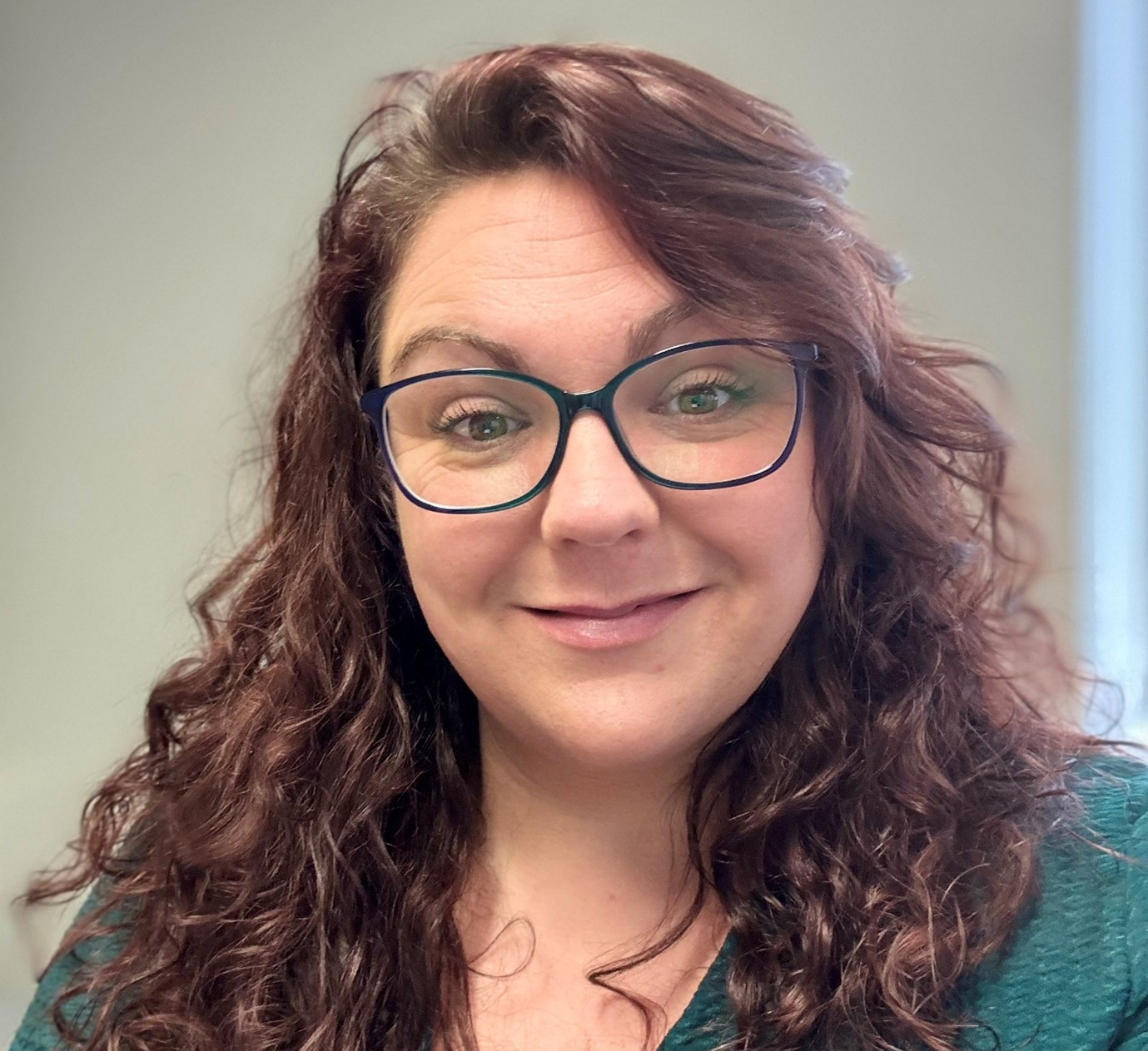
Susan Keery

Susan Keery

Susan Keery is an Autism Trainer/Advisor at Middletown Centre for Autism.
Susan brings with her over 20 years' experience supporting autistic children, adolescents and adults across both health and education sectors. Specifically supporting autistic individuals with individualised, person-centred, home programmes, and school support; as well as providing training and ongoing support to parents and professionals.
Susan holds degrees at undergraduate and master's level; and is currently working on her PhD within the school of Social Sciences, Education and Social work (QUB). Susan's research is focused on social anxiety in the autistic community with special interest in subsequent impact on school absences. Her research aims to reduce barriers to accessing support by using immersive technology. Susan is passionate about her research and practice being directed by the lived experience of the autistic community.

Understanding Interoception in Autistic Students

Event summary

Date

Start Time

End Time

Webinar Online,

Booking closes

Understanding Interoception in Autistic Students Interoception, the sense of the internal state of the body, plays a crucial role in how we understand and respond to our physical and emotional needs. This webinar will provide educators with insights into interoception and its significance for autistic students, offering practical strategies to support their interoceptive awareness and overall well-being. Understand the concept of interoception and its importance in daily functioning and emotional regulation. Explore how interoception can be different in autistic individuals and the challenges they may face. Learn to identify signs of variations in interoceptive awareness in students and understand their impact on behaviour and learning. Discover strategies to help students develop better interoceptive awareness, including mindfulness practices, body awareness activities, and sensory supports. Implement practical approaches to create a classroom environment that supports interoceptive development and emotional regulation.

Notes

Location

Webinar Online

Get Directions
Edel Quinn

Edel Quinn

Edel is a Trainer/Advisor and the MCA course coordinator for the Post Graduate Autism Studies programme in partnership with Mary Immaculate College, Limerick. She has supported the development of the post graduate programme since 2016. Edel previously worked in the National Health Service Northern Ireland (NHS), developing and delivering home programmes for autistic children and young people, and their families. Edel holds a Psychology degree, a MSc in Autism from Queen’s University, Belfast and a MSc in Mental Health for Children and Young People from University of Edinburgh. Edel has a Post Graduate Diploma in Cognitive Behaviour Therapy and registered with the British Association for Counselling and Psychotherapy. In her role with Middletown Centre for Autism Edel develops and delivers both parental and educational professional training programmes.

Enhancing Executive Function Skills in Autistic Students

Event summary

Date

Start Time

End Time

Webinar Online,

Booking closes

Enhancing Executive Function Skills in Autistic Students Executive function skills are essential for academic success and daily life. Executive functioning differences can influence planning, organisation, task initiation, working memory, and flexibility.. The training explores how educational environments can reduce executive demands and provide effective supports. It will provide educators with practical strategies to support and enhance executive function skills in autistic students,helping students access learning, participation, wellbeing, and self-determined outcomes. Learn about the components of executive function, including working memory, flexible thinking, and self-control. Explore the specific executive function challenges that autistic students may encounter. Discover effective techniques to support the development of executive function skills, such as visual supports, structured routines, and organisational tools. Learn how to integrate executive function support into daily classroom activities and routines.

Notes

Location

Webinar Online

Get Directions
Frances O'Neill

Frances O'Neill

Frances O’Neill is an Autism Trainer/Advisor in Middletown Centre for Autism. Frances has worked in Special, Post Primary and Further Education settings. She holds Post Graduate Certificates and Diplomas in various aspects and areas pertaining to Education and an MSc in Autism.

Understanding Alexithymia in the Context of Supporting Autistic Students

Event summary

Date

Start Time

End Time

Webinar Online,

Booking closes

Understanding Alexithymia in the Context of Supporting Autistic Students This session will provide an overview of alexithymia, highlighting how students may encounter difficulties in recognising, identifying, understanding, and communicating their emotions. While alexithymia is more common among autistic people than the general population, it is a distinct construct and should not be assumed to be present in every autistic student. Education practitioners will explore the impact of alexithymia on emotional expression, with a focus on identifying key indicators. The discussion will also centre on effective supports for students within an inclusive supportive learning and teaching environment.

Notes

Location

Webinar Online

Get Directions
Edel Quinn

Edel Quinn

Edel is a Trainer/Advisor and the MCA course coordinator for the Post Graduate Autism Studies programme in partnership with Mary Immaculate College, Limerick. She has supported the development of the post graduate programme since 2016. Edel previously worked in the National Health Service Northern Ireland (NHS), developing and delivering home programmes for autistic children and young people, and their families. Edel holds a Psychology degree, a MSc in Autism from Queen’s University, Belfast and a MSc in Mental Health for Children and Young People from University of Edinburgh. Edel has a Post Graduate Diploma in Cognitive Behaviour Therapy and registered with the British Association for Counselling and Psychotherapy. In her role with Middletown Centre for Autism Edel develops and delivers both parental and educational professional training programmes.

Understanding and Addressing Autistic Masking in the Classroom

Event summary

Date

Start Time

End Time

Webinar Online,

Booking closes

Understanding and Addressing Autistic Masking in the Classroom Autistic masking, where individuals hide their true selves to fit in, can have significant impacts on students' well-being and learning experiences. Masking may be conscious, unconscious, or somewhere in between. This training session will provide educators with insights into autistic masking and practical strategies to create a supportive environment that encourages authenticity and reduces the need for masking. Understand the concept of autistic masking, why it occurs, and its potential effects on students. Learn how to identify signs of masking in the classroom and understand the challenges it presents. Explore the emotional and psychological impacts of masking on autistic students. Discover strategies to create an inclusive and accepting classroom environment that reduces the need for masking. Implement practical approaches to support students in expressing their true selves, including promoting self-advocacy and providing appropriate accommodations.

Notes

Location

Webinar Online

Get Directions
Gemma O'Neill

Gemma O'Neill

Gemma O’Neill is an Autism Trainer/Advisor at Middletown Centre for Autism, bringing over 20 years of experience across education, autism practice and professional learning. Her career has included roles as a SENCO and Specialist Teacher, supporting autistic children and young people across educational settings, including preschool, mainstream primary and post-primary schools, autism classes and special schools.

Gemma has extensive experience working collaboratively with educators, families and multidisciplinary professionals to develop individualised approaches that recognise autistic strengths, differences and support needs across school and home environments.

In her current role, Gemma is involved in the development and delivery of autism-specific professional learning and training across Ireland, working with educators and professionals, including within higher education. She also contributes to the development of training programmes and the coordination of large-scale professional learning events, bringing professionals together to share and showcase effective practice.

Gemma holds a Master’s Degree in Special Educational from Queen’s University Belfast. Her professional interests include neuroaffirming autism practice, inclusive education, professional learning, and supporting autistic learners to participate meaningfully in education.