
Package summary
Start Date
End Date
Middletown Centre for Autism
5 Week Parent Training Programme
Autism and the Primary School
Programme Content:
- Supporting Autistic Learners
- Autism and Communication
- Autism and Sensory Processing
- Autism and Understanding Anxiety
- Autism and Reframing Behaviour
This five-week programme has been designed for parents and family members living with Primary aged children with autism.
The Centre also provides a similar 5-week course for education professionals.
Please check the Centre’s website for details. www.middletownautism.com
Notes
Courses in package
Supporting Autistic Learners
Event summary
Date
Start Time
End Time
Blackrock Education Centre, Dublin, Dublin
Booking closes
Supporting Autistic Learners
This training session is designed to build understanding of how autistic children may perceive, process, and engage with the world around them.
It acknowledges the strengths many autistic children may have in visual processing and explores how the use of visuals can support learning, reduce anxiety, and promote inclusion across a range of environments.
Participants will gain insight into:
- The value of visual teaching approaches and how they can align with an individual child’s natural learning preferences.
- How visual supports can enhance communication, learning and wellbeing across home, school, and community settings.
- The integration of visual supports with other approaches to create consistent and supportive environments.
- A range of adaptable visual approaches that respects each child’s unique strengths, needs, and interests.
Notes
Location
Blackrock Education Centre
Get Directions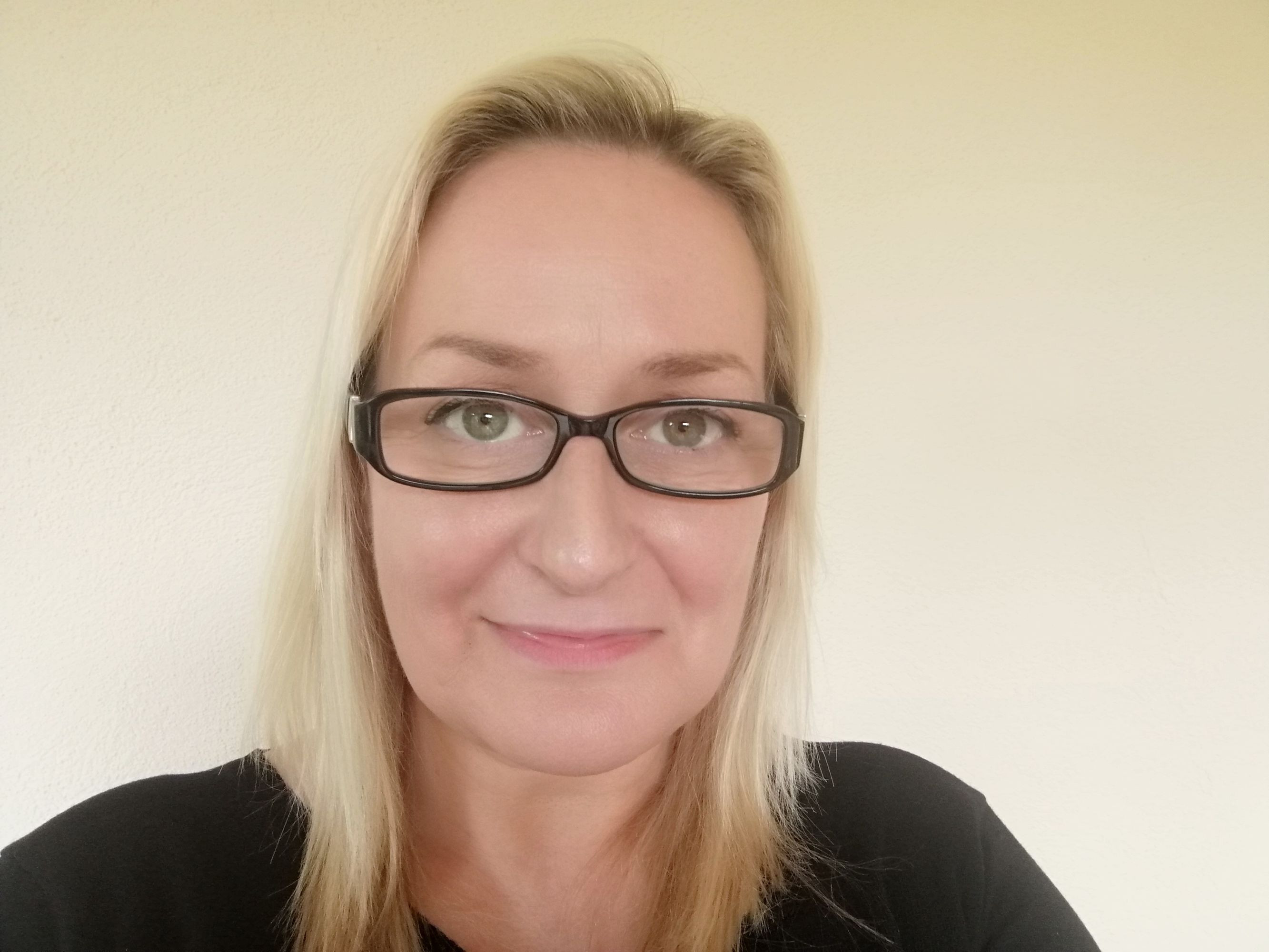
Dr Jo Fitzsimons
Her previous appointments have included Deputy Head of School and curriculum management roles.
Jo has also been involved in a wide range of International and European research projects and conferences over the past 17 years offering training, support and advice on various aspects of SEND practice.
Her specialist interests include sensory learning, autism and supporting children and young people with profound and multiple learning disabilities (PMLD).
Autism and Communication
Event summary
Date
Start Time
End Time
Blackrock Education Centre, Dublin, Dublin
Booking closes
Autism and Communication
This training opportunity session explores the differences between neurotypical and autistic communication styles. It equips participants with the knowledge needed to recognise and respect communication differences, as well as adjust their own communication approach to effectively assist autistic children in both home and school settings.
Participants will:
- Explore current relevant theories pertaining to communication differences
- Gain insight into their own communication tendencies and how these can either help or hinder autistic individuals in their communication
- Explore various supportive practices to enhance both the understanding and expression of communication in a supportive manner.
- This session explores the differences in neurotypical vs autistic communication styles.
- It provides delegates with an understanding of how to appreciate communication differences and adapt their communication style to better support autistic children and young people at home and school.
Delegates will:
- Explore current relevant theories related to communication differences
- Develop an understanding of their own communication preferences and how these might hinder or support the autistic communicator
- Explore a range of supportive practices in receptive (understanding) and expressive communication
Notes
Location
Blackrock Education Centre
Get Directions
Frances O'Neill
Autism and Sensory Processing
Event summary
Date
Start Time
End Time
Blackrock Education Centre, Dublin, Dublin
Booking closes
Autism and Sensory Processing
Sensory processing refers to the ability of a child to register, interpret and respond to sensory information. This is a complex process involving all the sensory systems, auditory, gustatory, visual, olfactory, tactile, proprioceptive, vestibular, and interoception. When sensory processing is working well, a child can engage in daily functional activities and social interaction. Sensory processing differences are prevalent in autistic children and can affect every aspect of life and development. This session examines the sensory processing differences experienced by many autistic children and will demonstrate how such differences impact on learning, play, social interactions, and behaviour for the primary school aged child.
Participants will:
- Develop an understanding of the sensory processing differences.
- Appreciate how sensory processing differences can affect the child's experience at school.
- Understand how sensory processing differences can influence the child's participation in daily activities.
- Develop an understanding of general intervention supports to accommodate sensory processing differences in daily activities at school and beyond.
- How sensory processing differences can present in an autistic child.
- Supportive approaches to address sensory processing differences in school or the family home.
Notes
Location
Blackrock Education Centre
Get Directions
Gemma O'Neill
Gemma holds a Master’s Degree in Special Education from Queen’s University, Belfast. Her areas of expertise include curriculum development, classroom supports, differentiation techniques and transitions.