

Package summary
Start Date
End Date
Booking closes
Middletown Centre for Autism
4 Week Parent Training Programme
Autism and the Primary School
Programme Content:
- Supporting Autistic Learners
- Autism and Communication
- Autism and Sensory Processing
- Autism and Understanding Anxiety, Autism and Reframing Behaviour
This four-week programme has been designed for parents and family members living with Primary aged children with autism
The Centre also provides a similar 5-week course for education professionals.
Please check the Centre’s website for details. www.middletownautism.com
Notes
Courses in package
Supporting Autistic Learners
Event summary
Date
Start Time
End Time
Cashel Community School, Cashel, Tipperary
Booking closes
Supporting Autistic Students Post Primary School is a period of rapid academic, social, and emotional development. For autistic students, this stage often brings increased complexity: changing teachers, unspoken expectations, sensory intense environments, and growing pressure to appear "independent" or "coping". How adults respond during this time has a profound impact on students' wellbeing, identity, and sense of belonging. Autism is a naturally occurring form of human neurodiversity. Autistic ways of thinking, sensing, communicating, learning, and regulating are not deficits to be corrected or delays to be overcome. They are valid expressions of neurological difference. Effective Post Primary support depends on respectful partnership. Families bring relational and historical knowledge of the young person; education professionals bring curriculum expertise and systemic understanding. When these perspectives are valued equally, students experience greater safety, consistency, and trust. Autistic students often display diverse strengths, which may include visual processing, pattern recognition, deep focus, and structured thinking.In Post Primary contexts, where timetables change daily, rules are often implicit, and expectations vary between staff, access to clarity is essential. Within a Rightful Presence framework, supports such as visual timetables, explicit instructions, and predictable routines are not 'reasonable adjustments' granted conditionally; they are tools that uphold a student's right to full participation. Parents and professionals will explore: Why structured and visual supports often align with autistic cognition. How predictability reduces cognitive load and supports regulation. The importance of consistency across subjects, staff teams, and home-school communication. Strategies that increase autonomy and agency as students mature, rather than removing support prematurely.
Notes
Location
Cashel Community School
Get Directions
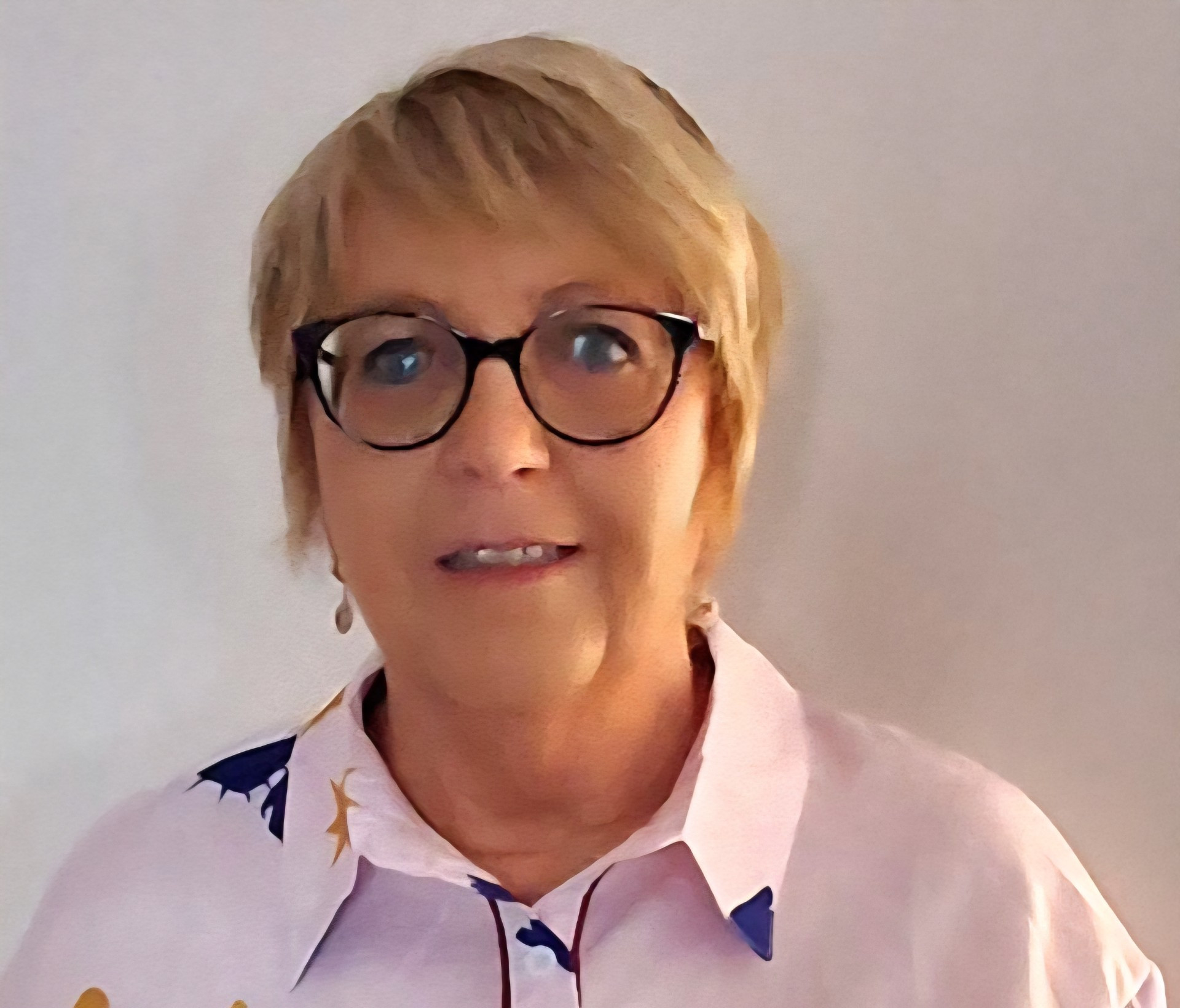
Joan McDonald
Following many years teaching in mainstream classrooms, Joan worked on individual planning in centres for adults with learning disabilities and those with mental health struggles.
She, then, became one of the first SENOs in Ireland, observing and providing school supports for students with atypical needs across eighty rural schools.
While studying for an M.Ed. in Autism, Joan was taught by and met a variety of autistic adults, which ultimately led to her own autism assessment. Prior to meeting such a diverse range of autistic people, Joan would only have recognised autism in people with profound and complex support needs.
Joan is passionate about using students’ interests to support autistic learners of all levels of cognitive ability to access education and contented lives.
She currently works on a variety of projects with agencies such as Middletown Centre for Autism, Dublin City University, Nua Healthcare, Fingal Libraries. In recent years, creating and delivering the Posauteen and Posaudult courses to help autistic people understand and advocate for themselves has been a major focus of Joan’s time.
Autism and Communication
Event summary
Date
Start Time
End Time
Cashel Community School, Cashel, Tipperary
Booking closes
Autism and Communication
Autistic communication remains different, not disordered, throughout the teenage years. Students may communicate through speech, AAC, writing, behaviour, reduction in communication under stress, or highly selective engagement. Communication is understood as relational, context dependent, and deeply influenced by power, safety, and trust. Parents and education professionals will: Explore contemporary, neuroaffirming understandings of autistic communication. Reflect on how adult assumptions, tone, and response patterns affect student voice. Learn approaches that support expressive, receptive, and relational communication while respecting communication autonomy and avoiding demands to mask or perform. The emphasis is on mutual understanding and dignity, not compliance.
Notes
Location
Cashel Community School
Get Directions
Dee Hogan
Dee has extensive experience teaching and supporting autistic children and young people. Her experiences include Pre-school, Early Intervention Autism Classes, Primary Autism Classes, Mainstream Primary and Special Schools.
She has written, lectured and assessed modules on the Special Needs Assistant and Level Four Autism qualifications, as professional development for parents and professionals. Dee has also worked as a part time Lecturer with University College Cork designing and delivering the Diploma in Autism Studies as well as providing training for teachers, third level students, parents and professionals.
Dee’s training specialisms are Reframing Behaviour, Early Intervention, Classroom Strategies, and Transitions. Dee holds a MEd in Special Education Autism from the University of Birmingham.
Autism and Sensory Processing
Event summary
Date
Start Time
End Time
Cashel Community School, Cashel, Tipperary
Booking closes
Autism and Sensory Processing Post Primary School environments are often sensory intense: crowded corridors, loud bells, fluorescent lighting, unpredictable social spaces, and sustained cognitive demand. For autistic students, these sensory conditions directly affect regulation, attention, and attendance. Sensory distress is not a behavioural issue; it is a mismatch between the environment and the student's nervous system. Participants will develop shared understanding of: How sensory processing differences influence regulation and learning. Why students respond differently to the same environment. The importance of understanding individual sensory experiences and access needs rather than relying on generic interventions Practical ways to adapt physical spaces, routines, and expectations to increase safety and access.
Notes
Location
Cashel Community School
Get Directions
Joan McDonald
Following many years teaching in mainstream classrooms, Joan worked on individual planning in centres for adults with learning disabilities and those with mental health struggles.
She, then, became one of the first SENOs in Ireland, observing and providing school supports for students with atypical needs across eighty rural schools.
While studying for an M.Ed. in Autism, Joan was taught by and met a variety of autistic adults, which ultimately led to her own autism assessment. Prior to meeting such a diverse range of autistic people, Joan would only have recognised autism in people with profound and complex support needs.
Joan is passionate about using students’ interests to support autistic learners of all levels of cognitive ability to access education and contented lives.
She currently works on a variety of projects with agencies such as Middletown Centre for Autism, Dublin City University, Nua Healthcare, Fingal Libraries. In recent years, creating and delivering the Posauteen and Posaudult courses to help autistic people understand and advocate for themselves has been a major focus of Joan’s time.
Autism and Understanding Anxiety, Autism and Reframing Behaviour
Event summary
Date
Start Time
End Time
Cashel Community School, Cashel, Tipperary
Booking closes
Autism and Understanding Anxiety, Autism and Reframing Behaviour Adolescence is a period of significant change, bringing increased academic demands, social complexity, transitions, and expectations around independence. For autistic young people, these experiences can place considerable pressure on their emotional wellbeing. Anxiety, distress, withdrawal, shutdown, reduced engagement, or behaviours often labelled as "challenging" are rarely random; they are meaningful responses to environments, expectations, and experiences that may feel overwhelming, unpredictable, or unsafe. This neuroaffirming training explores the strong relationship between anxiety, behaviour, and wellbeing in Post Primary School settings. Rather than viewing behaviour as defiance, non-compliance, or a lack of motivation, participants will learn how behaviour can reflect underlying nervous system states, unmet needs, sensory overwhelm, chronic stress, masking, or threats to safety and belonging. Drawing on contemporary autism research, neuroscience, and autistic lived experience, the training supports educators to move beyond behaviour management and towards understanding, prevention, and support. Participants will explore: How anxiety presents in autistic adolescents and its impact on learning, attendance, participation, and wellbeing. The relationship between anxiety, sensory processing, masking, emotional regulation, and behaviour. How behaviour can be understood as communication and adaptation rather than opposition or defiance. The role of neuroception, felt safety, and belonging in supporting regulation and engagement. How school systems, routines, expectations, and environments can either reduce or amplify distress. Practical, relationship-based approaches that support co-regulation, emotional wellbeing, and participation. Strategies for creating psychologically safe, predictable, and autism-inclusive learning environments. This training provides practical, evidence-informed approaches that help autistic young people feel understood, respected, and supported. Participants will leave with a deeper understanding of adolescent anxiety and behaviour, and the confidence to create school environments where autistic students can learn, participate, belong, and thrive.
Notes
Location
Cashel Community School
Get Directions
Dee Hogan
Dee has extensive experience teaching and supporting autistic children and young people. Her experiences include Pre-school, Early Intervention Autism Classes, Primary Autism Classes, Mainstream Primary and Special Schools.
She has written, lectured and assessed modules on the Special Needs Assistant and Level Four Autism qualifications, as professional development for parents and professionals. Dee has also worked as a part time Lecturer with University College Cork designing and delivering the Diploma in Autism Studies as well as providing training for teachers, third level students, parents and professionals.
Dee’s training specialisms are Reframing Behaviour, Early Intervention, Classroom Strategies, and Transitions. Dee holds a MEd in Special Education Autism from the University of Birmingham.