Training Package

Autism and the Primary School Programme (Parent) St Joseph's NS, Laois

Tuesday 2 Feb 2027 – Tuesday 16 Mar 2027

About this programme

Middletown Centre for Autism
4 Week Parent Training Programme
Autism and the Primary School

Programme Content:

  1. Supporting Autistic Learners
  2. Autism and Communication
  3. Autism and Sensory Processing
  4. Autism, Understanding Anxiety and Reframing Behaviour

This four-week programme has been designed for parents and family members living with Primary aged children with autism 
The Centre also provides a similar 5-week course for education professionals. 
Please check the Centre’s website for details. www.middletownautism.com 

Location

St Joseph's National School, Townparks , Borris-in-Ossory , Laois , R32 FP79

Get directions (opens in new window)

Programme sessions

–

In-Person

Supporting Autistic Learners

Dee Hogan

Dee Hogan

St Joseph's National School, Borris-in-Ossory

Booking closes

View details Hide details

Supporting Autistic Learners

This session offers a nuanced, strengths based exploration of how autistic children experience, understand, and engage with the worlds. Rather than viewing difference as deficit, the training foregrounds autistic cognition as a valid and valuable way of being. Drawing on evidence informed practice, the session highlights that often visual approaches can align well with the learning preferences of many autistic learners and demonstrates how thoughtfully designed visual supports can enhance meaning making, reduce cognitive load, and promote emotional safety and inclusion across all learning environments.

Participants will deepen their understanding of:

  • Why visual approaches are not merely "supports", but powerful communication and teaching tools that align naturally with many autistic learners' cognitive preferences.
  • How visual supports can enhance understanding, autonomy, communication, and wellbeing across home, school, and community contexts.
  • How visuals can be integrated with relational, environmental, and pedagogical approaches to create predictability, coherence, and felt safety.
  • A flexible repertoire of visual strategies that honour each child's individuality, respecting their strengths, interests, sensory profile, and developmental pathway.

About the trainer

Dee Hogan

Dee Hogan

Dee Hogan is an Autism Trainer/Advisor in Middletown Centre for Autism.

Dee has extensive experience teaching and supporting autistic children and young people. Her experiences include Pre-school, Early Intervention Autism Classes, Primary Autism Classes, Mainstream Primary and Special Schools.

She has written, lectured and assessed modules on the Special Needs Assistant and Level Four Autism qualifications, as professional development for parents and professionals. Dee has also worked as a part time Lecturer with University College Cork designing and delivering the Diploma in Autism Studies as well as providing training for teachers, third level students, parents and professionals.

Dee’s training specialisms are Reframing Behaviour, Early Intervention, Classroom Strategies, and Transitions. Dee holds a MEd in Special Education Autism from the University of Birmingham.

–

In-Person

Autism and Communication

Joan McDonald

Joan McDonald

St Joseph's National School, Borris-in-Ossory

Booking closes

View details Hide details

Autism and Communication

This session invites participants to re-examine communication through a neurodiversity affirming lens. Rather than positioning autistic communication as disordered, the training explores communication as a two way interaction shaped by neurological difference, context, power, and expectation. Participants are supported to move beyond comparison with neurotypical norms and instead develop an appreciation of autistic communication styles as logical, purposeful, and meaningful.

Participants will:

  • Explore contemporary theories and frameworks that explain differences in autistic and non-autistic communication, including monotropism and gestalt language processing.
  • Reflect on their own communication preferences and implicit expectations, considering how these may either facilitate or constrain connection with autistic children.
  • Learn practical, respectful strategies to support both understanding and expression, focusing on access to communication rather than "performance".
  • Develop confidence in adapting their communication to be clear, predictable, and attuned, across home and school environments.

About the trainer

Joan McDonald

Joan McDonald

Joan is a second level science teacher working independently as Posautive.

Following many years teaching in mainstream classrooms, Joan worked on individual planning in centres for adults with learning disabilities and those with mental health struggles.

She, then, became one of the first SENOs in Ireland, observing and providing school supports for students with atypical needs across eighty rural schools.

While studying for an M.Ed. in Autism, Joan was taught by and met a variety of autistic adults, which ultimately led to her own autism assessment. Prior to meeting such a diverse range of autistic people, Joan would only have recognised autism in people with profound and complex support needs.

Joan is passionate about using students’ interests to support autistic learners of all levels of cognitive ability to access education and contented lives.

She currently works on a variety of projects with agencies such as Middletown Centre for Autism, Dublin City University, Nua Healthcare, Fingal Libraries. In recent years, creating and delivering the Posauteen and Posaudult courses to help autistic people understand and advocate for themselves has been a major focus of Joan’s time.

–

In-Person

Autism and Sensory Processing

Joan McDonald

Joan McDonald

St Joseph's National School, Borris-in-Ossory

Booking closes

View details Hide details

Autism and Sensory Processing

This session centres sensory processing as a core aspect of autistic experience and identity, rather than a problem to be managed or reduced. Sensory differences are explored as access needs that shape how autistic children participate in learning, relationships, and daily life. The session examines how sensory environments can either enable presence or function as barriers that exclude, overwhelm, or silence autistic children.

Participants will be supported to:

  • Understand sensory processing differences across all sensory systems, including interoception.
  • Recognise how sensory environments often privilege some nervous systems while marginalising others.
  • Identify how sensory overload can lead to withdrawal, distress, or reduced participation, not simply as behaviour, but as communication.
  • Make practical, respectful adjustments to environments and routines that support regulation, dignity, and sustained participation both in school and at home.

About the trainer

Joan McDonald

Joan McDonald

Joan is a second level science teacher working independently as Posautive.

Following many years teaching in mainstream classrooms, Joan worked on individual planning in centres for adults with learning disabilities and those with mental health struggles.

She, then, became one of the first SENOs in Ireland, observing and providing school supports for students with atypical needs across eighty rural schools.

While studying for an M.Ed. in Autism, Joan was taught by and met a variety of autistic adults, which ultimately led to her own autism assessment. Prior to meeting such a diverse range of autistic people, Joan would only have recognised autism in people with profound and complex support needs.

Joan is passionate about using students’ interests to support autistic learners of all levels of cognitive ability to access education and contented lives.

She currently works on a variety of projects with agencies such as Middletown Centre for Autism, Dublin City University, Nua Healthcare, Fingal Libraries. In recent years, creating and delivering the Posauteen and Posaudult courses to help autistic people understand and advocate for themselves has been a major focus of Joan’s time.

–

In-Person

Autism, Understanding Anxiety and Reframing Behaviour

Dee Hogan

Dee Hogan

St Joseph's National School, Borris-in-Ossory

Booking closes

View details Hide details

Autism, Understanding Anxiety and Reframing Behaviour


This session explores anxiety and behaviour through a neuroaffirming lens, helping parents understand what their child may be communicating through both their emotions and actions.

Rather than viewing anxiety as an individual flaw or behaviour as something that needs to be managed, the training considers both as meaningful responses to a child's experiences, environment, and sense of safety. Many autistic children navigate daily challenges such as sensory overwhelm, uncertainty, social expectations, communication barriers, and pressure to adapt to environments that may not fully meet their needs. Over time, these experiences can contribute to heightened stress, anxiety, fatigue, and distress.


Parents will explore:

  • How anxiety is experienced physiologically and emotionally by autistic children.
  • Why behaviours often reflect underlying needs, stress responses, sensory experiences, or attempts to communicate.
  • The impact of masking, exhaustion, and constantly adapting to meet others' expectations.
  • How threats to predictability, safety, autonomy, and belonging can contribute to anxiety and distress.
  • The concept of neuroception and how a child's nervous system continually assesses whether they feel safe, understood, and supported.
  • How adult responses, co-regulation, and trusting relationships can influence a child's ability to cope, learn, and participate.
  • Practical ways to reduce anxiety through environmental adjustments, predictable routines, supportive communication, and realistic expectations.
  • Strategies for creating conditions where regulation, connection, confidence, and wellbeing can flourish.

Drawing on current understanding from neuroscience, interpersonal neurobiology, and autistic lived experience, the session encourages a shift from asking, ""How do we stop this behaviour?"" to asking, ""What is my child communicating, and how can I better support them?""

The overall aim is to support a deeper understanding of the child's experiences while building practical approaches that promote emotional safety, strengthen relationships, and support the child's sense of identity, belonging, and wellbeing.

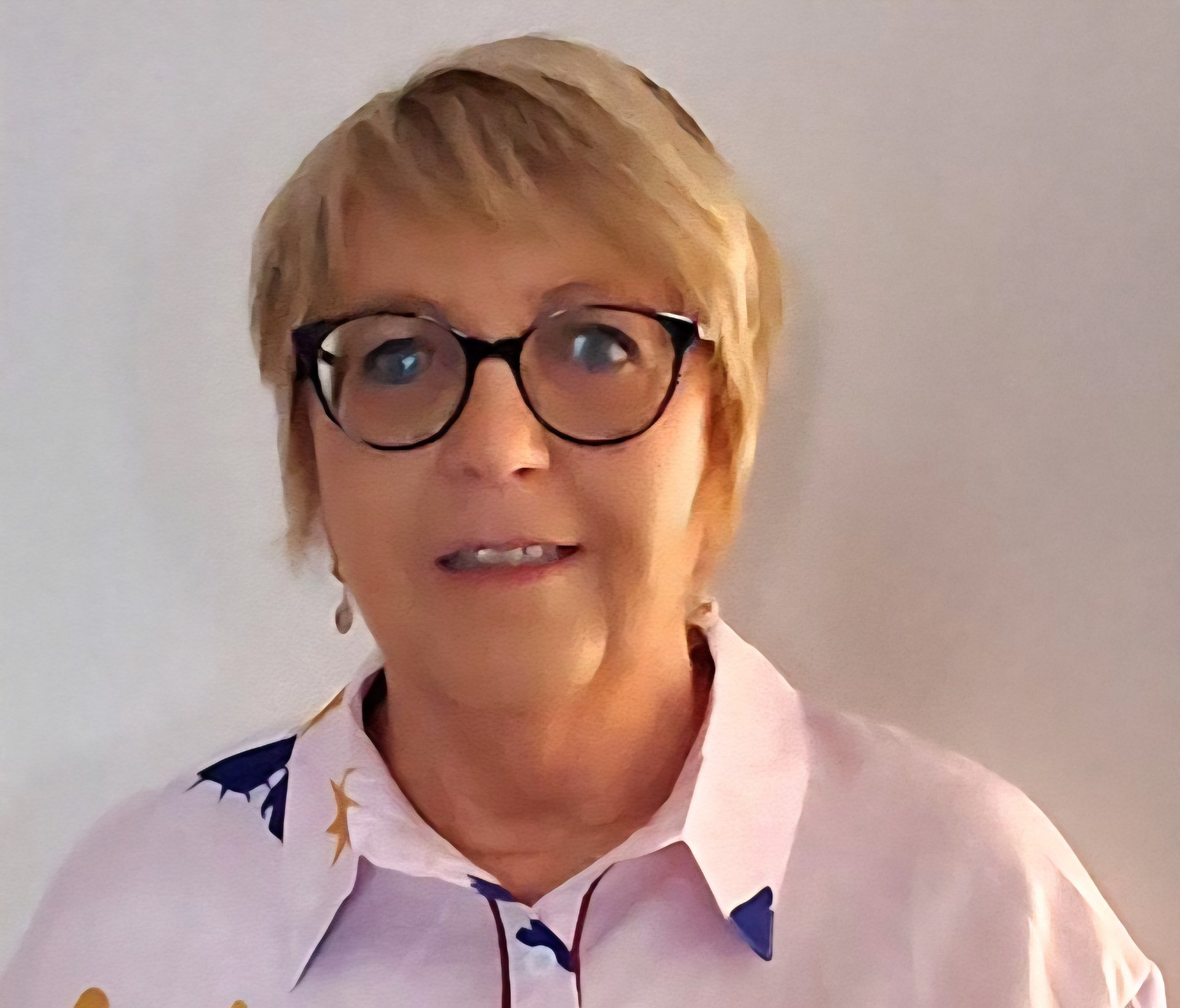
About the trainer

Dee Hogan

Dee Hogan

Dee Hogan is an Autism Trainer/Advisor in Middletown Centre for Autism.

Dee has extensive experience teaching and supporting autistic children and young people. Her experiences include Pre-school, Early Intervention Autism Classes, Primary Autism Classes, Mainstream Primary and Special Schools.

She has written, lectured and assessed modules on the Special Needs Assistant and Level Four Autism qualifications, as professional development for parents and professionals. Dee has also worked as a part time Lecturer with University College Cork designing and delivering the Diploma in Autism Studies as well as providing training for teachers, third level students, parents and professionals.

Dee’s training specialisms are Reframing Behaviour, Early Intervention, Classroom Strategies, and Transitions. Dee holds a MEd in Special Education Autism from the University of Birmingham.