
Package summary
Start Date
End Date
Courses
- Supporting Autistic Learners: Autistic Children and Young People with High Care and Education Needs
- Autism and Communication: Autistic Children and Young People with High Care and Education Needs
- Autism and Sensory Processing: Autistic Children and Young People with High Care and Education Needs
- Autism and Understanding Anxiety: Autistic Children and Young People with High Care and Education Needs
- Autism and Reframing Behaviour: Autistic Children and Young People with High Care and Education Needs
Booking closes
Middletown Centre for Autism
Five-Week Parent Training Programme
Programme Content
- Supporting Autistic Learners: Autistic Children and Young People with High Care and Education Needs
- Autism and Communication: Autistic Children and Young People with High Care and Education Needs
- Autism and Sensory Processing: Autistic Children and Young People with High Care and Education Needs
- Autism and Understanding Anxiety: Autistic Children and Young People with High Care and Education Needs
- Autism and Reframing Behaviour: Autistic Children and Young People with High Care and Education Needs
Course Description
This five-week programme has been designed for parents and family members who are living with children and young people with autism in a Special School.
Notes
Courses in package
Supporting Autistic Learners: Autistic Children and Young People with High Care and Education Needs
Event summary
Date
Start Time
End Time
Marino Community School, Bray, Wicklow
Booking closes
Supporting Autistic Learners: Autistic Children and Young People with High Care and Education Needs This session supports parents and family members to deepen their understanding of how autistic children and young people with high care and education needs experience and interact with the world. Autism is a naturally occurring form of human neurodiversity. Autistic sensory, cognitive, and emotional differences are not deficits to be corrected, but meaningful variations in neurology that shape how everyone perceives, learns, communicates, and regulates. When support approaches are aligned with a child or young person's neurology, rather than forcing them to adapt to non-autistic expectations, an increased sense of safety, autonomy, and wellbeing becomes possible. A central focus of this session is the well-established visual strengths many autistic individuals demonstrate. Visual approaches, when used respectfully and collaboratively, can significantly support understanding, reduce uncertainty, and promote inclusion across everyday environments. Parents and family members will explore: Why visual teaching approaches often align naturally with autistic processing styles. How visual supports can reduce cognitive and emotional load, supporting regulation and learning rather than compliance. How consistency across home, school, and community environments supports felt safety. A range of flexible and adaptable visual approaches that honour each child or young person's individual strengths, interests, access needs, and identity.
Notes
Location
Marino Community School
Get Directions
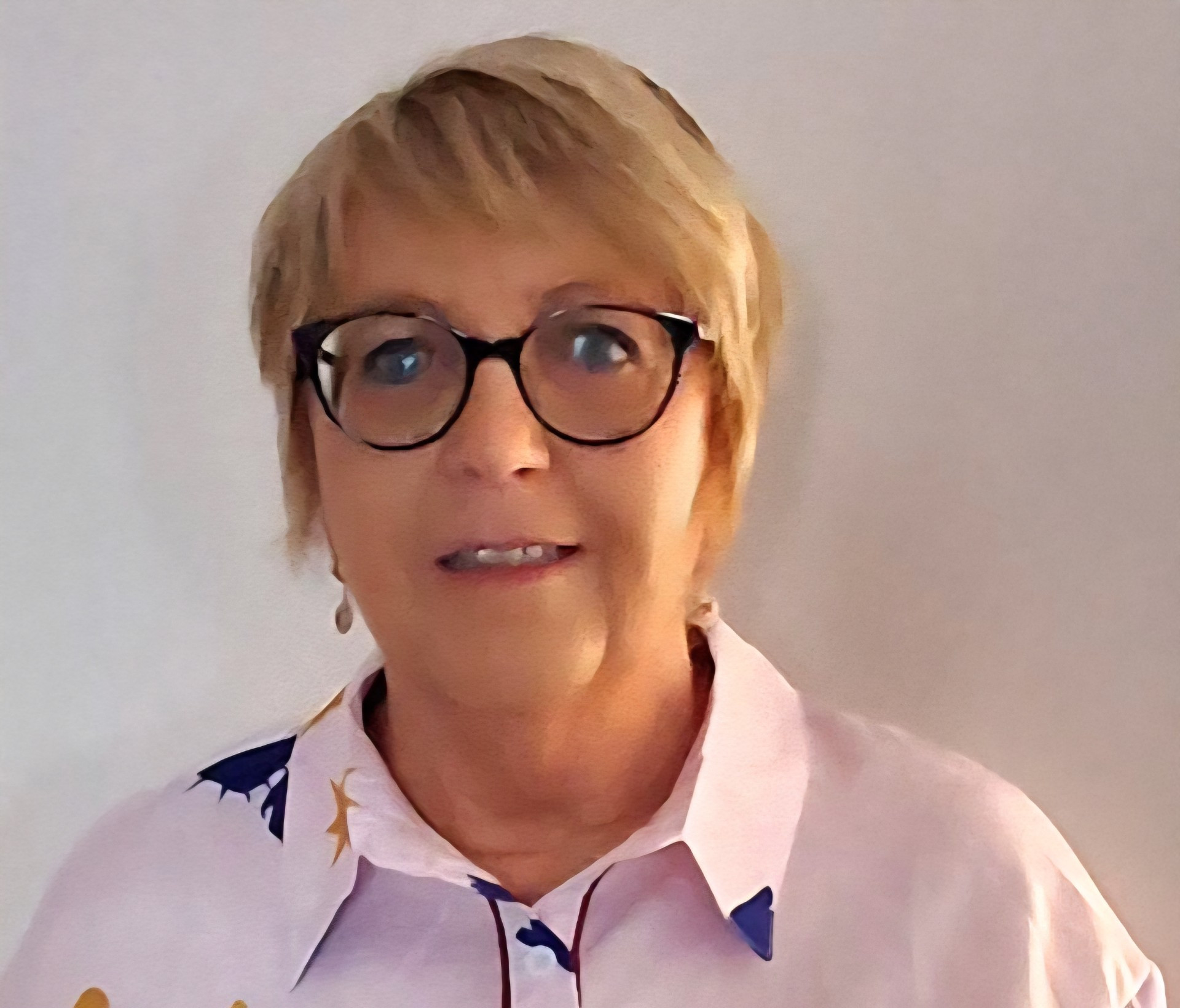
Dee Hogan
Dee has extensive experience teaching and supporting autistic children and young people. Her experiences include Pre-school, Early Intervention Autism Classes, Primary Autism Classes, Mainstream Primary and Special Schools.
She has written, lectured and assessed modules on the Special Needs Assistant and Level Four Autism qualifications, as professional development for parents and professionals. Dee has also worked as a part time Lecturer with University College Cork designing and delivering the Diploma in Autism Studies as well as providing training for teachers, third level students, parents and professionals.
Dee’s training specialisms are Reframing Behaviour, Early Intervention, Classroom Strategies, and Transitions. Dee holds a MEd in Special Education Autism from the University of Birmingham.
Autism and Communication: Autistic Children and Young People with High Care and Education Needs
Event summary
Date
Start Time
End Time
Marino Community School, Bray, Wicklow
Booking closes
Autism and Communication: Autistic Children and Young People with High Care and Education Needs This session explores the differences in neurotypical vs autistic communication styles. It provides delegates with an understanding of how to appreciate communication differences and adapt their communication style to better support autistic children and young people at home and school. Participants will: Explore current relevant theories related to communication differences. Develop an understanding of their own communication preferences and how these might hinder or support the autistic communicator. Explore a range of supportive practices in receptive, understanding, and expressive communication
Notes
Location
Marino Community School
Get Directions
Frances O'Neill
Autism and Sensory Processing: Autistic Children and Young People with High Care and Education Needs
Event summary
Date
Start Time
End Time
Marino Community School, Bray, Wicklow
Booking closes
Autism and Sensory Processing: Autistic Children and Young People with High Care and Education Needs Many autistic children and young people have differences in how they process the sensory stimuli in the world around them. This course is designed to look specifically at the sensory processing needs of autistic children and young people with other complex learning needs, such as communication difficulties, physical or sensory difficulties, attention difficulties and medical needs. Participants will: Understand the concept of sensory processing and how this relates to participation in daily activities. Appreciate how sensory processing differences can affect the child or young person at home, in school and in other settings. Understand the importance of exploring each child or young person's unique sensory profile in order to create environments to support their regulation Gain knowledge about supportive approaches, which can address the sensory processing needs of the children and young people with additional and complex learning needs at home, in school and in other settings.
Notes
Location
Marino Community School
Get DirectionsGemma O'Neill
Gemma has extensive experience working collaboratively with educators, families and multidisciplinary professionals to develop individualised approaches that recognise autistic strengths, differences and support needs across school and home environments.
In her current role, Gemma is involved in the development and delivery of autism-specific professional learning and training across Ireland, working with educators and professionals, including within higher education. She also contributes to the development of training programmes and the coordination of large-scale professional learning events, bringing professionals together to share and showcase effective practice.
Gemma holds a Master’s Degree in Special Educational from Queen’s University Belfast. Her professional interests include neuroaffirming autism practice, inclusive education, professional learning, and supporting autistic learners to participate meaningfully in education.
Autism and Understanding Anxiety: Autistic Children and Young People with High Care and Education Needs
Event summary
Date
Start Time
End Time
Marino Community School, Bray, Wicklow
Booking closes
Autism and Understanding Anxiety: Autistic Children and Young People with High Care and Education Needs Anxiety is a common and understandable response for many autistic children and young people, particularly in environments that are unpredictable, sensory intense, or socially demanding. Anxiety is not a weakness; it is a signal that something in the environment or expectation is not aligned with the child's needs. Parents and family members, as the people who know their child best, are often the first to notice subtle changes that indicate rising stress. Collaboration between home and school is essential in responding to anxiety in a way that maintains trust and safety. This session introduces neuroaffirming supports that are responsive rather than reactive. Parents and family members will: Learn to recognise individual signs of escalating anxiety and stress responses. Develop proactive, regulation supportive strategies that reduce the likelihood of distress escalating. Gain an introduction to cognitively based supports that can be adapted to be developmentally appropriate, flexible, and respectful of autistic processing styles.
Notes
Location
Marino Community School
Get Directions
Susan Keery
Susan brings with her over 20 years' experience supporting autistic children, adolescents and adults across both health and education sectors. Specifically supporting autistic individuals with individualised, person-centred, home programmes, and school support; as well as providing training and ongoing support to parents and professionals.
Susan holds degrees at undergraduate and master's level; and is currently working on her PhD within the school of Social Sciences, Education and Social work (QUB). Susan's research is focused on social anxiety in the autistic community with special interest in subsequent impact on school absences. Her research aims to reduce barriers to accessing support by using immersive technology. Susan is passionate about her research and practice being directed by the lived experience of the autistic community.
Autism and Reframing Behaviour: Autistic Children and Young People with High Care and Education Needs
Event summary
Date
Start Time
End Time
Marino Community School, Bray, Wicklow
Booking closes
Autism and Reframing Behaviour: Autistic Children and Young People with High Care and Education Needs This session reflects a significant shift in how behaviour is understood within autism support. Drawing on neuroscience, psychology, and interpersonal neurobiology, behaviour is explored as communication, never as manipulation, defiance, or pathology. Many behaviours labelled as "challenging" are in fact adaptive responses to overwhelm, unmet needs, or a lack of felt safety. Other behaviours, such as stimming, repetition, or withdrawal, are often essential mechanisms for regulation, communication, or joy. Parents and family members are supported to move away from behaviour control models and toward a relational, regulatory framework. This session explores: The contemporary neuroaffirming shift in understanding behaviour. Environmental and internal contributors to distress and overwhelm. The role of neuroception and felt safety in supporting regulation. The essential role of adult regulation and self-compassion in co regulating with a child in distress. Parents and family members will: Deepen their understanding of what behaviour is communicating. Reflect on their own beliefs and emotional responses with compassion, not judgment. Learn how to identify stressors within environments rather than locating difficulty within the child. Understand co-regulation as a relationship based process rooted in safety, trust, and connection.
Notes
Location
Marino Community School
Get DirectionsGemma O'Neill
Gemma has extensive experience working collaboratively with educators, families and multidisciplinary professionals to develop individualised approaches that recognise autistic strengths, differences and support needs across school and home environments.
In her current role, Gemma is involved in the development and delivery of autism-specific professional learning and training across Ireland, working with educators and professionals, including within higher education. She also contributes to the development of training programmes and the coordination of large-scale professional learning events, bringing professionals together to share and showcase effective practice.
Gemma holds a Master’s Degree in Special Educational from Queen’s University Belfast. Her professional interests include neuroaffirming autism practice, inclusive education, professional learning, and supporting autistic learners to participate meaningfully in education.