
Training Package

Autism and the Primary School Programme Dundalk Co.Louth (For Professionals)

Monday 25 Sep 2023 – Monday 23 Oct 2023

Location

CBS Primary School, Chapel Street, Townparks, , Dundalk , Louth

Get directions (opens in new window)

Programme sessions

–

In-Person

Autism, Learning Style, and Visual Teaching Methods

Edel Quinn

Edel Quinn

CBS Primary School, Dundalk

Booking closes

View details Hide details

Autism, Learning Styles, and Visual Teaching Methods
This training session will provide information on supportive practices in the functional use of visual supports. 
The focus of this course is in understanding the learning style, strengths, interests and needs of the autistic child and how these can be facilitated using visuals. This will assist those who support the child in the teaching of life skills, emotional regulation, and daily planning, creating opportunities for communication and independence.
Expected Outcomes
Understand how the use of visuals can support the thinking and learning style of autistic child.
Understand how the use of visuals can be generalised across all environments and can build on the learning experience in school, home, and the wider community.
Learn how to develop visual supports in a practical manner to maximise the child’s strengths and provide support if necessary.
How to develop visuals and implement visual strategies.

Notes

View course notes (PDF) (opens in new window)

About the trainer

Edel Quinn

Edel Quinn

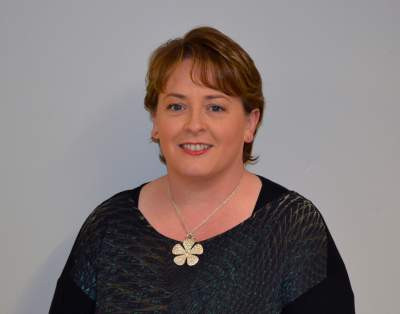
Edel is a Trainer/Advisor and the MCA course coordinator for the Post Graduate Autism Studies programme in partnership with Mary Immaculate College, Limerick. She has supported the development of the post graduate programme since 2016. Edel previously worked in the National Health Service Northern Ireland (NHS), developing and delivering home programmes for autistic children and young people, and their families. Edel holds a Psychology degree, a MSc in Autism from Queen’s University, Belfast and a MSc in Mental Health for Children and Young People from University of Edinburgh. Edel has a Post Graduate Diploma in Cognitive Behaviour Therapy and registered with the British Association for Counselling and Psychotherapy. In her role with Middletown Centre for Autism Edel develops and delivers both parental and educational professional training programmes.
–

In-Person

Autism and Communication

Frances O'Neill

Frances O'Neill

CBS Primary School, Dundalk

Booking closes

View details Hide details

Autism and Communication.

This session explores the differences in neurotypical vs autistic communication styles. It provides delegates with an understanding of how to appreciate communication differences and adapt their communication style to better support autistic children and young people at home and school.

Delegates will:

· Explore current relevant theories related to communication differences

· Develop an understanding of their own communication preferences and how these might hinder or support the autistic communicator

· Explore a range of supportive practices in receptive (understanding) and expressive communication

Notes

View course notes (PDF) (opens in new window)

About the trainer

Frances O'Neill

Frances O'Neill

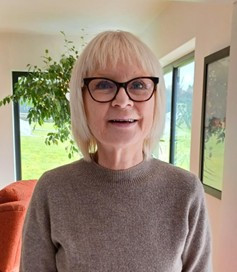
Frances O’Neill is an Autism Trainer/Advisor in Middletown Centre for Autism. Frances has worked in Special, Post Primary and Further Education settings. She holds Post Graduate Certificates and Diplomas in various aspects and areas pertaining to Education and an MSc in Autism.

–

In-Person

Autism and Sensory Processing

Eleanor McStay

Eleanor McStay

CBS Primary School, Dundalk

Booking closes

View details Hide details

Autism and Sensory Processing
Sensory processing refers to the ability of a child to register, interpret and respond to sensory information. This is a complex process involving all the sensory systems, auditory, gustatory, visual, olfactory, tactile, proprioceptive, vestibular, and interoception. When sensory processing is working well, a child can engage in daily functional activities and social interaction. Sensory processing differences are prevalent in autistic children and can affect every aspect of life and development.
This session examines the sensory processing differences experienced by many autistic children and will demonstrate how such differences impact on learning, play, social interactions, and behaviour for the primary school aged child.
Participants will: 
•    Develop an understanding of the sensory processing differences.
•    Appreciate how sensory processing differences can affect the child’s experience at school.
•    Understand how sensory processing differences can influence the child’s participation in daily activities.
•    Develop an understanding of general intervention strategies to accommodate sensory processing differences in daily activities at school and beyond.
•    How sensory processing differences can present in an autistic child.
•    Intervention strategies to address sensory processing differences in school or the family home.

Notes

View course notes (PDF) (opens in new window)

About the trainer

Eleanor McStay

Eleanor McStay

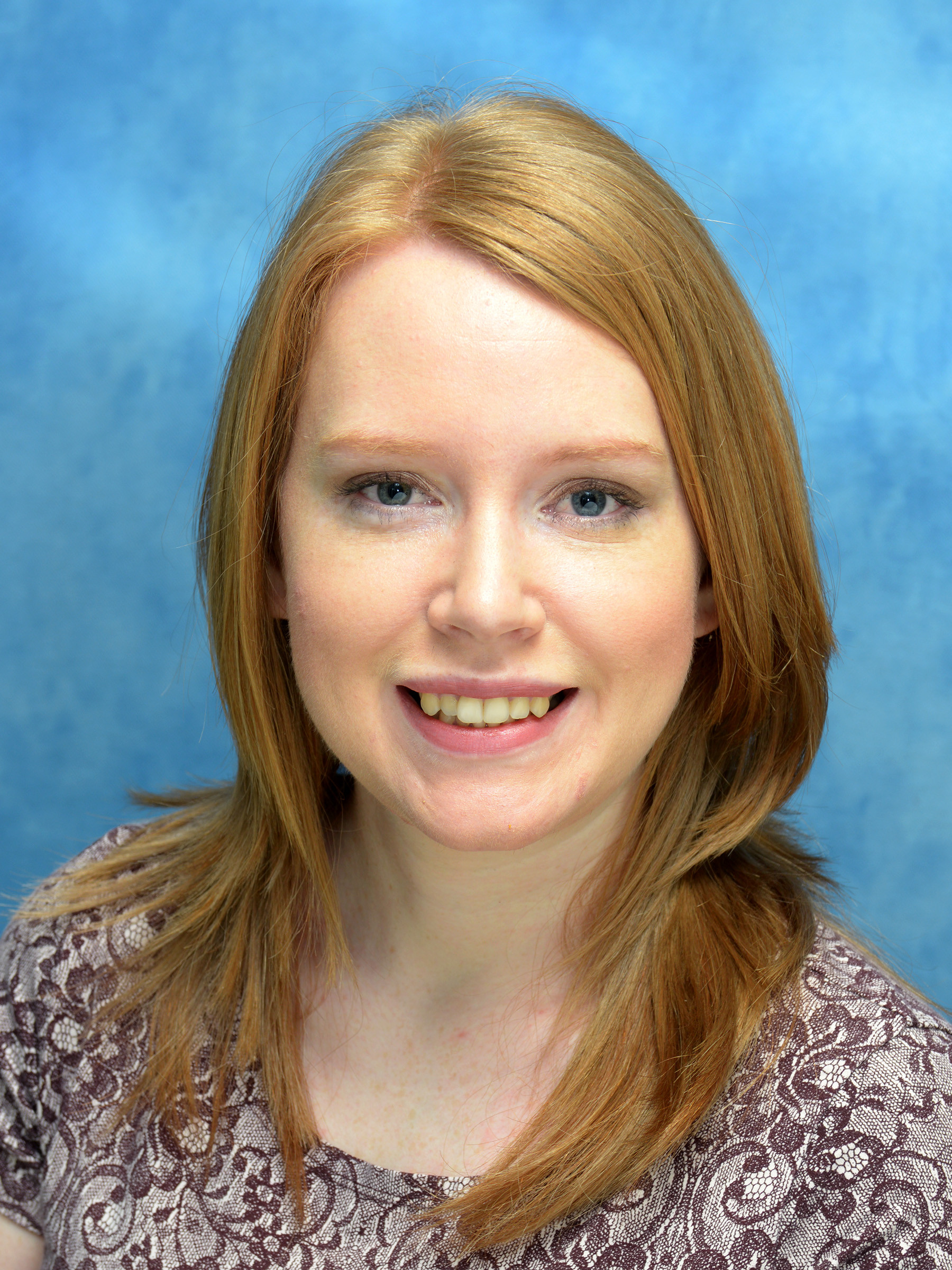
Eleanor McStay-Fearon is a Trainer/Advisor and Specialist Speech and Language Therapist at Middletown Centre for Autism. Eleanor has worked as part of the Learning Support and Assessment Service for many years, working directly with autistic children across school and home.

Eleanor holds a Post Graduate Diploma in Sensory Integration and is an Advanced Sensory Integration Practitioner.

She has worked closely with parents, teachers and health professionals to support the implementation of communication, sensory and emotional regulation supports across home and school environments.

–

In-Person

Autism and Reframing Behaviour

Majella Nugent

Majella Nugent

CBS Primary School, Dundalk

Booking closes

Only 8 places remaining.

View details Hide details

Autism and Reframing Behaviour -

This training will introduce participants to the ongoing paradigm shift in understanding behaviour from a physiological perspective, drawing on research from neuroscience, psychology, and interpersonal neurobiology.

It will encourage participants to pause and reflect on their current beliefs and reactions to the behavioural differences presenting within their autistic students. Participants will be supported to consider behavioural differences that are authentic to the autistic child and their invaluable role in maintaining joy in their lives. Furthermore, participants will be supported to understand the underlying factors contributing to distressed behaviours, and how supporting professionals can help.


Specific topics will include:

  • Understanding the ongoing paradigm shift in how we think about behaviour.
  • Factors that contribute to distressed behaviour for an autistic child.
  • The important role of neuroception and sense of ‘felt safety’ in promoting a balanced regulatory state.
  • The importance of professional self-care in the context of supporting an autistic child in distress.


Participants will:

  • Gain an understanding of the ongoing paradigm shift in how we think about ‘behaviour’ presenting in our autistic children and young people.
  • To support participants to recognise their inner biases, judgements and beliefs that may be impacting upon how they support an autistic child in distress.
  • To understand the underlying and environmental factors contributing to distress and overwhelm within the autistic child.
  • Understand their role in managing their own regulation as an essential process to the co-regulatory support they provide their autistic students.

Course Overview

  • Paradigm shift and reframing our perception of behaviour.
  • Underlying and environmental factors contributing to distressed behaviour.
  • Proactive and reactive supports when working with distressed behaviour.

Notes

View course notes (PDF) (opens in new window)

About the trainer

Majella Nugent

Majella Nugent

Majella Nugent is an Autism Trainer/Advisor in Middletown Centre for Autism. Majella has experience teaching and supporting autistic children and young people in schools. Majella’s experiences include Pre-school, Mainstream Primary and Post-Primary and Special Schools across Ireland. Majella also has experience teaching autistic students in Further Education. She has lectured and assessed modules on the Early Childhood Foundation Degree and the Level Three Autism qualification, as professional development for parents and professionals.

Majella’s training specialism is Relationship and Sexuality Education, Transitions and Special Education Needs. Majella has contributed to the development of the curriculum as a Professional Associate with CCEA for learners with MLD and co-ordinated specialist trainings including Transition to Higher Education (Ulster University and Trinity College Dublin), 16+ Education and Employment, and Sibling trainings. Majella is an Associate Lecturer on the Post Graduate Certificate with Mary Immaculate College Limerick.

–

In-Person

Autism and Understanding Anxiety

Edel Quinn

Edel Quinn

CBS Primary School, Dundalk

Booking closes

View details Hide details

Autism and Understanding Anxiety
This training course will help parents and education professionals understand the stresses autistic children and young people experience, particularly within the Primary School environment.  We will discuss the external environmental demands and stress experienced by many autistic children which can contribute to anxiety experiences.

Participants will understand:
The relationship between autism and anxiety, and how anxiety affects our body and mind.
Fatigue and masking in relation to anxiety from an autistic point of view.
How environmental, communication, sensory, emotional, and cognitive stresses can be supported to reduce anxiety experience within the school environment.

During the course, we will explore a range of supports and resources which can be used to support an autistic child or young person.

Notes

View course notes (PDF) (opens in new window)

About the trainer

Edel Quinn

Edel Quinn

Edel is a Trainer/Advisor and the MCA course coordinator for the Post Graduate Autism Studies programme in partnership with Mary Immaculate College, Limerick. She has supported the development of the post graduate programme since 2016. Edel previously worked in the National Health Service Northern Ireland (NHS), developing and delivering home programmes for autistic children and young people, and their families. Edel holds a Psychology degree, a MSc in Autism from Queen’s University, Belfast and a MSc in Mental Health for Children and Young People from University of Edinburgh. Edel has a Post Graduate Diploma in Cognitive Behaviour Therapy and registered with the British Association for Counselling and Psychotherapy. In her role with Middletown Centre for Autism Edel develops and delivers both parental and educational professional training programmes.