
Event summary
Date
Start Time
End Time
Webinar Online,
Booking closes
Autism and Reframing Behaviour: Autistic Children and Young People with High Care and Education Needs This session reflects an important paradigm shift in how behaviour is understood in autism support. Drawing on neuroscience, psychology, and interpersonal neurobiology, behaviour is explored as communication and regulation, not as intentional disruption, manipulation, or non-compliance. Many behaviours described as "challenging" are adaptive responses to overwhelm, unmet needs, or a lack of felt safety. Other commonly misunderstood behaviours' such as stimming, repetition, stillness, or withdrawal, are often essential for regulation, self-expression, or joy. Participants will explore: The neuroaffirming shift in how behaviour is conceptualised. Internal, environmental, and relational factors that contribute to distress. The role of neuroception and felt safety in supporting regulation. The importance of adult self-regulation and wellbeing in co regulating with an autistic child or young person. Participants will be supported to: Reflect on beliefs, assumptions, and emotional responses with curiosity and compassion. Focus on adapting environments and expectations rather than trying to change the child. Strengthen collaborative approaches that promote dignity, trust, and emotional safety.
Location
Webinar Online
Adobe Connect
Get Directions
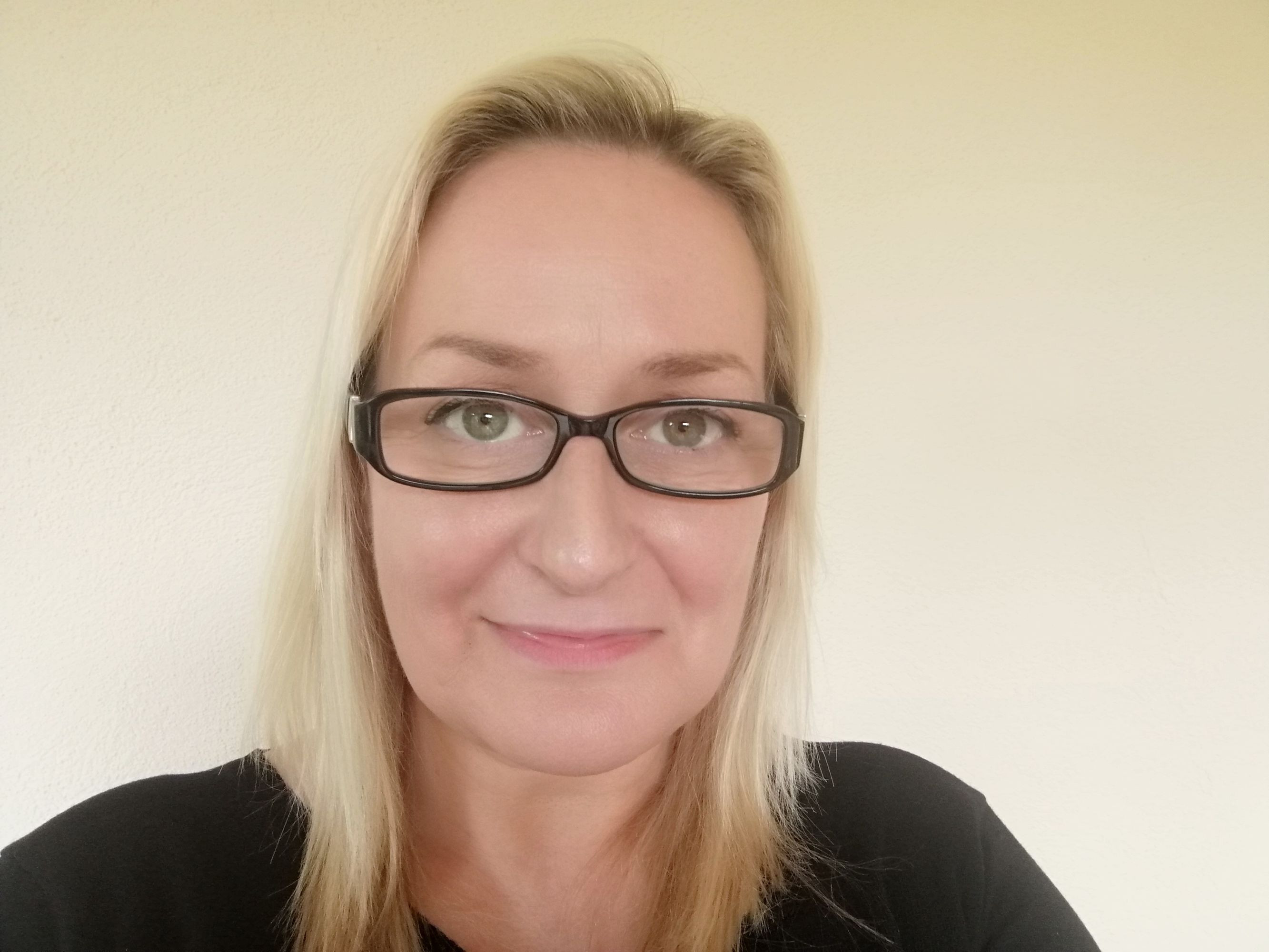
Dr Jo Fitzsimons
Her previous appointments have included Deputy Head of School and curriculum management roles.
Jo has also been involved in a wide range of International and European research projects and conferences over the past 17 years offering training, support and advice on various aspects of SEND practice.
Her specialist interests include sensory learning, autism and supporting children and young people with profound and multiple learning disabilities (PMLD).
Event summary
Date
Start Time
End Time
Webinar Online